The Council’s consultation on the 10 year budget (Long Term Plan) has been a catalyst for a wide-ranging conversation about our city’s transport priorities and investment. “Fixing Transport” is highlighted as one of the 4 key issues facing Auckland.
The Mayor has led the way in asking Aucklanders to consider the choices. Do we accept a basic transport network which costs less, or do we invest more to get the advanced transport programme set out in the 30-year vision for our region known as the Auckland Plan. The Auckland Plan transport network includes the new roads, rail, ferries, busways and cycleways our city desperately needs. (From Council’s consultation material)
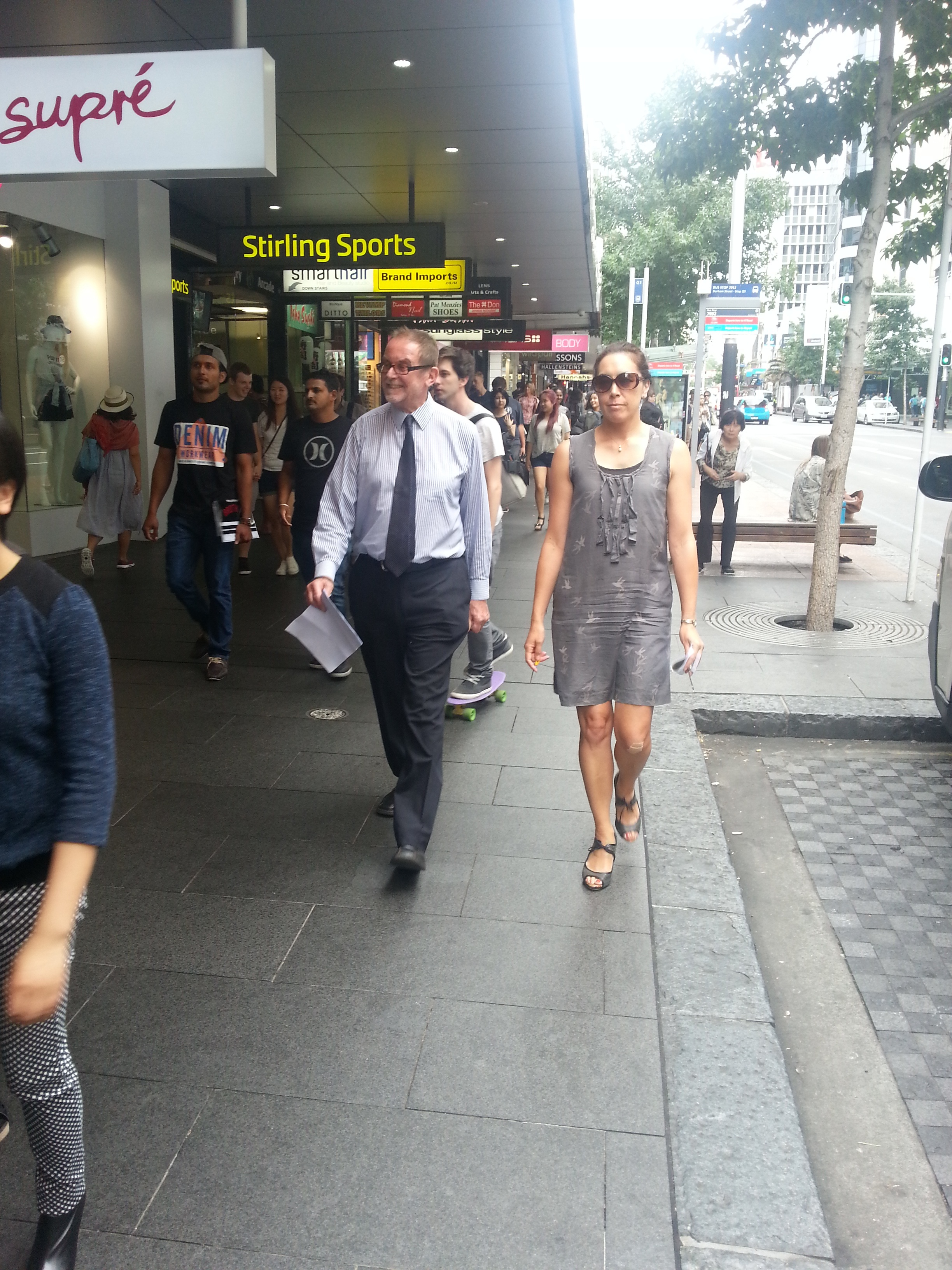
I was on the panel for the Auckland Conversation event Fixing Auckland’s Transport – the 10 year budget (as a local board member and member of the Urban Cycling Investment panel) to discuss the transport options.
The MC Fran O’Sullivan asked panelists to consider a few points that we wished to get across. Here are mine in a bit more detail than discussed on the night . I’ve also referenced the quotes that I referred to.
What do we really mean by “Fixing” Auckland’s transport.
Brent Toderian (Vancouver’s former Chief Planner and an Auckland Conversations presenter ) says “you can’t fix traffic in a successful city – you have to change it”.
“fixing” is unlikely to result in “getting the traffic moving” for all trips ie there will always be congestion at peak for single occupancy private vehicles.
in order to fix transport we need to re-think mobility and provide transport choice (As Florian Lennert presented at the the Velo city conference last year – the future of transport is “multi-modal sustainable mobility” ). If people are provided safe, effective transport choices it will create more space on the road for the vehicles that need to be there which benefits everyone.
Efficient & smart investment
The presentation of 2 stark choices has been great for forcing the debate about much needed transport investment (and I applaud the Mayor for leading that debate) but I think we have been provided with a Hobson’s choice on the 2 plans. All the benefits for active transport/PT are locked up in the Advanced transport programme (that also included low value roading projects)
Either alternative funding option is going to take at least 2 years to implement so we have to get the “basic” plan right in the meantime to meet Local Board priorities. Can’t have a basic plan that doesn’t provide for “basic” community needs. Eg There is no cycling investment in the first 3 years of the basic plan – this is unacceptable ( feedback so far shows strongest support for AT to focus more on cycling)
Also if cycling investment not included in the final transport programme Auckland cannot leverage off the Urban Cycling Investment Fund established last year by the Govt- there is $90m available over the next 3 years with up to 50% ear marked for Auckland if a local contribution is available
There is huge demand for transport choices to include cycling and there has never been a better time to invest in cycling but the current AT investment proposal in draft RLTP means Auckland is going to miss out on the funds available
The investment model
I agree we need funding for transport investment other than from rates but we are letting the Government off the hook. The Government needs to bring forward their contribution on the CRL and fund PT investment in the same way as state highways – this would be a game changer for the transport budget and the level of alternative funding required
I accept that there is a transport investment funding gap that can not be met out of rates. I support that gap being met from fuel tax as the most preferred option. From a local board perspective motorway tolling is not desirable because of the administration cost, impact on low income households and the negative impact on local roads.
Efficient & smart investment
Even if we agree on alternative funding I think we have been provided with a Hobson’s choice on the 2 plans. All the benefits for active transport/PT are locked up in the alternative funding plan
Either alternative funding option is going to take at least 2 years to implement so we have to get the “basic” plan right in the meantime. Can’t have a basic plan that doesn’t provide for “basic” community needs. Eg There is no cycling investment in the first 3 years of the basic plan – this is unacceptable ( feedback so far shows strongest support for AT to focus more on cycling)
Also if cycling investment not included in the basic plan Auckland cannot leverage off the Urban Cycling Investment Fund established last year by the Govt- there is $90m available this financial year with up to 50% ear marked for Auckland if a local contribution is available
Key point – there is huge demand for transport choices to include cycling and there has never been a better time to invest in cycling but the current AT investment proposal in draft RLTP means Auckland is going to miss out on the funds available
In my concluding comments I mentioned that the Waitemata Local Board has committed to being a UNICEF accredited child- friendly area. At the heart of the initiative is controlling speed and creating an environment where kids are invited to sit, play and walk. I quoted Rodney Tolley who said at a recentChild Friendly Waitemata workshop that“a walking city is a paradise for kids”
I think we often forget who we are building a city for and our focus should be on making the city a great place for children (so far we have let traffic engineers design it to the detriment of everyone).
This report covers my Waitematā Local Board activities during February 2015 as Deputy Chair, lead for the Community and Transport portfolios, Chair of the Grants Committee, Deputy Chair of the Central Joint Funding Committee and with positions on the Ponsonby Business Association Board and Ponsonby Community Centre Committee and Board liaison for the Parnell Community Centre.
Highlights
Victory for a liveable city
People power and common sense won the day on February 20th when the Auckland Transport Board went against officer advice in deciding not to go ahead with the planned widening of Great North Road that would have required the removal of six heritage Pohutukawa trees. A well organised campaign challenged an Auckland Transport and NZTA culture that was only willing to consider one option for over 3 years.
It was an important win not just for saving 6 trees but for forcing a rethink about the design of all roading projects. It was also a win for trees in general by raising awareness about the huge range of benefits that a magnificent stand of trees can provide the community and the landscape.
I was proud to be part of the Waitematā Local Board that stood with the community and that has consistently told Auckland Transport the plans needed to be re-considered.
Child friendly Waitematā
The Waitematā Local Board has recently become the first of Auckland’s local boards to be nominated and registered as ‘child friendly’ through the international UNICEF ‘Child Friendly Cities’ accreditation process. UNICEF defines a child friendly city as “a local system of good governance committed to fulfilling children’s rights. It is a city where the voices, needs, priorities and rights of children are an integral part of public policies, programmes and decisions. It is, as a result, a city that is fit for all”.
Claire Stewart, Community Development Facilitator, organised a workshop in February for participants to find out about the work already being done to make Waitematā child friendly, to share their own work and to support the journey towards Waitematā’s child friendly status
Dr. Rodney Tolley, Conference Director of Walk21 and experienced consultant in the field of active, sustainable transport gave a presentation to the workshop. Rodney has a focus on public space and transport and is passionate about equality of opportunity for children. As he points out children are a great indicator of the liveability of a city. Some of the key points from his presentation about growing a child-friendly city:
Loss of ubiquitous play space – children should be able to play everywhere but there has been a societal change and a change in the function of streets. He quotes from a study that found the failure of an urban environment can be measured by the % of playgrounds.
Management of risk – risk of a child being abducted by a strange 1 in x (infinitesimal) if use active travel. If don’t use active travel 100% risk that child will have poorer coordination; less likely to be cooperative; have health issues etc
More car travel diminishes physical health. Only 11% of Kiwi kids meet daily activity guidelines – 10% obese.
Rodney Tolley “child friendly” workshop walkabout on Queen St
The presentation considered what’s being done, for example:
Safe routes to school “if not safe make it safe”
At heart of initiatives – controlling speeds. Highlighted the benefits to children in overseas cities eg 75% of NYC now 20mph; Paris all streets 30kmph
Conclusion – cultural or physical changes needed? A walking city is a paradise for children. A city where kids invited to sit, play and walk. There are co-benefits in getting it right for kids gets it right for everyone.
The workshop included a discussion on what we are doing for children in different parts of Council and a walk around to explore parts of the city from a child’s point of view. The group I walked with along High St and Queen St (including Rodney) found the city centre to be empty of children under 10 and a very unwelcoming place.
Myers Park Centenary
The brief to the event team responsible for the Centenary celebrations was to take a community development approach so that it involved local groups for the benefit of city centre residents (the community portfolio was involved in the early discussion on the centenary)
Congratulations to the organising team who did such a great job. The centenary event on 15th Feb was child- focused, organic and non- commercial. I thought it was a really successful celebration, attracting local residents and all on a tight budget. I would be very supportive of the centenary event being a template for an annual Myers Park kids festival.
Community Development conference
The Unitec hosted conference brought to together practitioners, academics and students to share their knowledge, research and stories about community development. Major themes included placemaking, community economic development, diverse communities and re-claiming democracy. My conference registration of $270 was paid for from the Local Board professional development budget (I cycled to and from the venue).
I enjoyed the conference as a networking opportunity and a chance to hear about the evolution of the practice of Community Development over the last 25 years and to reflect on the role of Local Government.
Key points mentioned by a variety of speakers:
Community Development has to connect most closely with Local Government. LG is the natural unit of CD.
Auckland has suffered from politicians without vision (No social housing; Lack of community centres)
Community Development and Economic development need to merge– not flip sides
Community development is an indirect art
Most important thing that local government can do: Treat people as citizens and not as customers; Stop doing things to people or for them
Long Term Plan consultation
Consultation on the Auckland Council’s 10 year budget (LTP) got under way at the end of January and continues through February until 16 March. The Local Board held 2 community engagement events in February in the City Centre and Parnell (co-hosted with Parnell Community Committee)
As at 1 March Auckland Council had received 6320 written submissions, 427 eligible digital submissions (374 pieces of feedback had been received from the Waitematā Local Board area) and 423 Aucklanders have attended a “Have Your Say “event.
After many years fighting for road safety improvements Richmond Rd School can finally enjoy a signalised crossing and traffic calming treatments. The Transport portfolio were responsible for ensuring a feeder lane was incorporated into the design (as a first step towards cycling lanes for the length of Richmond Road)
Westhaven Promenade
The much anticipated and beautifully built Westhaven promenade was officially opened on 16 February.
My partner Paul Shortland (Deputy Chair of Cycle Action Auckland) had the honour of cutting the ribbon on the invitation of Sir Bob and the Mayor.
I have received only positive feedback about the promenade especially from locals using it with children.
Congratulations to the Waterfront Auckland team responsible for the promenade.
Walk About on Ponsonby Road with the Ponsonby Business Association
Following a serious injury suffered by a visitor to Ponsonby Rd, who tripped on the footpath, the Ponsonby Business Association General Manager & Deputy Chair invited representatives from the Board, Auckland Transport and Auckland Council to take part in a walk round. The purpose of the walk was to identify urgent repairs and to discuss options for a full upgrade of the footpath as anticipated in the Ponsonby Plan finalised in 2013.
Workshops and meetings
During February I attended:
Meeting with the organisers of Art in the Dark, ATEED reps and events portfolio on 2 February
Ponsonby Community Centre Management Committee meeting on 2 February
Meeting with volunteers from community group Plastic Diet
LTP Consultation briefing on key issues for local board members on 3 February
Local Board Workshop on 3 February
Community portfolio meeting with Youth Advisory Panel representative to handover from Isabella Lenihan-Ikin (before she departed for Otago) to Alex Johnston
Transport Portfolio meeting on 4 February
Central Local Board cluster briefing on draft Corporate Sponsorship Operational Guidelines on 9 February
St Lukes Intersection design/ Pohutukawa Trees discussion with Auckland Transport on 9 February
Ponsonby Business Association Board meeting on 10 February
Waitematā Local Board business meeting on 10 February
Briefing on the New Zealand International Convention Centre on 11 February
Meeting with Matthew Luxton, Envision to discuss social enterprise in Waitemata
Briefing on Trading and Events Bylaw: Communication to businesses
Waitematā Local Board workshop on 12 February
Ponsonby Road Walk About with representatives of Auckland Council, Auckland Transport and the Ponsonby Business Association to discuss the disrepair of the footpaths
Ngāti Whātua Ōrākei Reserves Board meeting and induction – 16 February – The purpose of the hui was to provide an in-depth insight into the history, current projects and aspirations in respect to the Whenua Rangatira and Pourewa Creek Recreation Reserve (photo right of Richelle Kahui- McConnell leading the tour)
St Lukes Intersection design (Pohutukawa tree removal) – follow up meeting with Auckland Transport and NZTA
Community Development Conference (opening Powhiri at Unitec Marae and one day at Unitec, Henderson)
Urban Cycling Investment Panel – meeting 2 in Wellington on 20 February
Local Board Greenways Plans and Walking and Cycling Networks Collaboration Meeting on 23 February
Cycling Action Group and Urban Cycling Investment update presented to the Local Boards Forum on 23 February
Rodney Tolley – Child Friendly Cities workshop at Pioneer Womens Hall
Waitematā Local Board workshop on 24 February
Community Development portfolio monthly catch up on 25 February
Long Term Plan – 10 year budget community engagement events on 25 February (City Centre) and 26 February (co-hosted with the Parnell Community Committee)
Meeting to discuss RLTP feedback on 25 February
Central Boards cluster meeting: BIDs and service delivery and policy review
Attended the Auckland Development Committed extraordinary meeting on 26 February
Monthly Transport portfolio catch up on 26 February
LGNZ Zone One meeting in Auckland on 27 February
Events and functions
During February I attended:
Bike Market at Silo Park on 1 February
Friends of the Festival lunch at Q Theatre on 3 February
Screening with Nga Tāonga – Sound & Vision of two documentaries at Auckland Museum on 5 February to commemorate the 175th anniversary of the signing of te Tiriti o Waitangi. Pita Turei, director of Waka: The Awakening Dream, presented at Q&A session following the screening.
Tour of the Light Show exhibition with Rhana Devenport, Director Auckland Art Gallery (organised for local board members and Councillors) on 5 February
Waitangi Day powhiri at Ngāti Whātua Ōrākei Marae
Zero Waste Volunteer with Christopher Dempsey at Takaparawhau (Bastion Pt) for the Waitangi Day Festival organised by Ngāti Whātua Ōrākei
Big Gay Out, Coyle Park
Green Desk interview on 10 February (as occasional host of the Green Desk, 95bfm) with Isabella Lenihan-Ikin, Waitemata Youth Advisory Panel representative
Dropped by the NZTA/Auckland Transport Nelson Street cyclelane open day at Tukutai Square on 10 February
Go by bike day pit stop on the Grafton Gully Cycle way on 11 February (free coffee provided by Auckland Transport)
Opening Night Party of Auckland Fringe and X0X Pride at the Box, Aotea Square on 11 February
Cycle Action’s Associates breakfast on 12 February
Launch and Blessing of Twist & Thief by Tanja McMillian (Misery) on K’rd
ICC Cricket World Cup 2015 – Opening of Fanzone at Tukutai Square by the Mayor on 14 February
Valentine’s Day bike ride and afternoon tea with Frocks on Bikes
Myers Park Centennial Celebration on 15 February
Blessing and official opening of the Westhaven Promenade on 16 February
With the Deputy Mayor visited the Angel by Kelsey Montague sponsored by the Ponsonby Business Association on the Brown St wall of Ponsonby Central (photo right)
Regional Arts Trust Awards at Q Theatre (congratulations to Shona McCullagh, Hynds Creative Entrepreneur 2015 Award winner)
Auckland Conversations – Shaping Resilient and Collaborative Communities – Milenko Matanovic, Founder & Executive Director The Pomegranate Centre Washington USA
Save our Harbour rally on Queens Wharf (photo below)
Regional Facilities Auckland – refreshments with the Board and senior management at the Aotea Centre
Finns at the Zoo on 27 February (at the invitation of Auckland Zoo)
Grey Lynn RSC commemorative mural blessing (funding provided by the Local Board)
Art in One Day prize giving (event sponsored with a Community Grant)
Rev Mua Strickland Pua at the blessing of the RSC commemorative ANZAC mural
Mobile Library at Big Gay Out
Opening of the Fanzone with Cr Denise Krum, Mayor Len Brown and ATEED CEO Brett O’Reilly
Myers Park Centennial celebration
Go by bike breakfast
Christopher Dempsey at the opening of the Fringe Festival
People power and common sense won the day on February 20th when the Auckland Transport Board went against officer advice in deciding not to go ahead with the planned widening of Great North Road that would have required the removal of six heritage Pohutukawa trees. A well organised campaign challenged an Auckland Transport and NZTA culture that was only willing to consider one option for over 3 years.
It was an important win not just for saving 6 trees but for forcing a rethink about the design of all roading projects. It was also a win for trees in general by raising awareness about the huge range of benefits that a magnificent stand of trees can provide the community and the landscape.
I was proud to be part of the Waitematā Local Board that stood with the community and that has consistently told Auckland Transport the plans needed to be re-considered.
Much has been written during the campaign about the process, plans and final outcome. Here are some highlights:
Auckland Conversations is an exciting series featuring leaders and experts in design, planning, heritage, environment and socio-economics discussing the issues facing Auckland’s development. Tonight Auckland Conversations tackles the topic of Transport and I am really delighted to be one of the panelists.
Fixing Auckland’s Transport – The 10-Year Budget 2015-2025
Monday 2 March, doors open 5pm for a 5.30pm start
Lower NZI Conference Room, Aotea Centre, central Auckland
Auckland is the country’s fastest-growing region with transport considered the single biggest issue. Major investment will be needed in the next decade to avoid worsening congestion and the impact this will have on our economy, environment and way of life.
We have a choice to make. Do we accept a basic transport network which costs less, or do we invest more to get the advanced transport programme set out in the 30-year vision for our region, known as the Auckland Plan.
If we choose to fix Auckland’s transport issues and get our city moving, we need to consider how we should pay for it. This could be through increased fuel taxes and higher rates, or through the introduction of a new motorway charge.
Hear from a range of experts who will outline the key transport issues facing Aucklanders in the 10-year budget.
MC Fran O’Sullivan – NZ Herald
Presentation: Mayor Len Brown: The 10 Year Budget and outline of Transport Options
Panellists
David Warburton – CEO, Auckland Transport
Sudhvir Singh – Generation Zero
Peter Winder – Transport Funding – Independent Advisory Board
This is my first report for 2015 covering highlights from December 2014 and January 2015.
Opening up the city centre to people
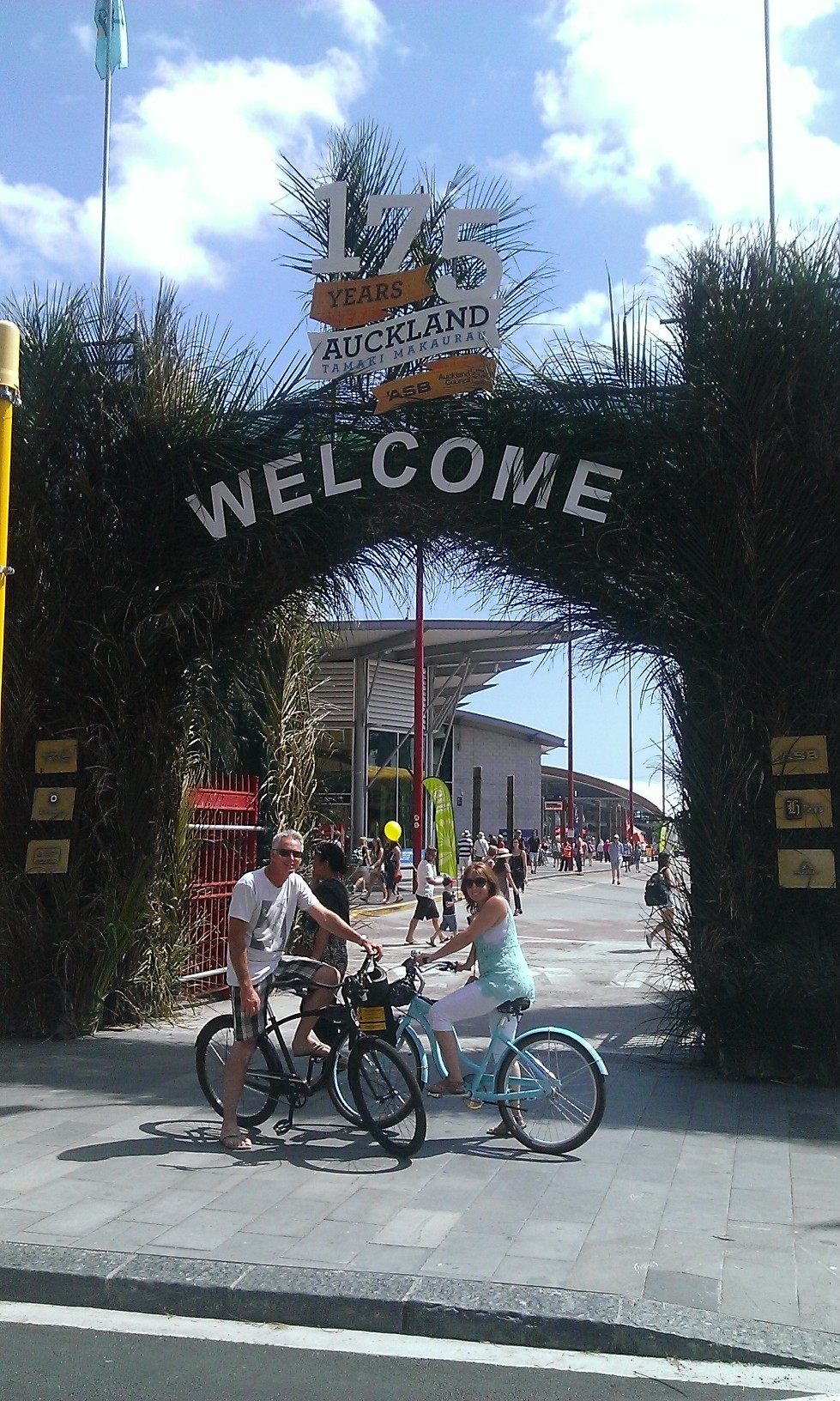
Despite the transport messaging that the Central City was “closed” the streets of Lower Queen St and Quay St were very much full and open to people over Auckland anniversary weekend.
I enjoyed the impressive 3 days of events for Auckland 175th birthday that included the Waitematā Local Board supported International Buskers Festival and the Story of Auckland in Shed 10 (I attended the launch of both). It was great see so many people enjoying the waterfront and finding time to give feedback about improving the city centre.
The weekend really showed the huge potential for improving downtown by re-prioritising road space.
Saving the Pohutukawa 6
I have provided regular updates on the Board’s opposition to Auckland Transport’s proposal to remove 6 mature Pohutukawa trees on Great North Road. The latest update is attached (ATTACHMENT A) following on from the Commissioners decision on 17 December to recommend removal.
Cycling & walking investment
I am really delighted to have been appointed to the Urban Cycling Investment Panel by the Transport Minister on the recommendation of LGNZ. The launch of the urban cycling programme was held on 30 January 2015 on the old Nelson St motorway off- ramp (ATTACHMENT B). I attended the first meeting of the panel in Wellington on 8 December.
2015 is going to be the year to celebrate new cycling infrastructure in Auckland starting on 20 January when I joined the Albert- Eden community, Cycle Action, David Shearer MP and NZTA to celebrate the opening of the new causeway bridge on the NW cycleway.
The much anticipated and beautifully constructed Westhaven Promenade opened at the end of January. It is perfect for cycling with children in a safe, attractive environment but still needs to be connected to all the way to Silo Park. Auckland Transport announced on 30 January that construction of the final leg of the shared path on Westhaven Drive continuing along Beaumont Street is starting in February with a completion date in March (the shared path is intended as an interim measure).
Over the summer break I enjoyed one of the many cycling adventures now possible in Auckland (ATTACHMENT C)
Speed enforcement
In response to the many unjustified and ill-informed attacks over the summer on the NZ Police in response to speed limit enforcement I decided to write up my personal experience that influences my personal support for the safer systems approach to road safety (ATTACHMENT D). On the positive side I think there is a growing demand for slower speeds especially on residential streets and in the city centre.
Kelmarna Community Gardens
I attended the Kelmarna Community Gardens Trust public meeting on 29 January that gathered people together to reflect on their connections to the garden and to help plan the future now that Framework has withdrawn as a tenant.
It was an incredibly positive, well attended meeting demonstrating a huge amount of support for the gardens to continue as an organic farm with a place for everyone. The Trust, with the assistance from Council officers, is considering options for managing the gardens going forward.
Placemaking
The January Inner City Network meeting was hosted by Waterfront Auckland. Frith Walker gave an excellent presentation on placemaking that inspired the many people who attended to consider what it is possible to achieve in Auckland with clear vision and creativity.
Way finding
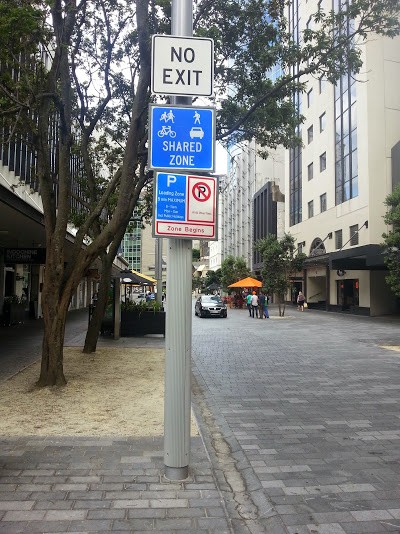
Street signage has been a topical local issue over the summer in response to Auckland Transport’s trial new signs on city streets (so far mainly in the Albert- Eden area). The Board has not yet been asked to give formal feedback on the design. In the meantime I continue to push for way finding signage for pedestrians and cyclists on streets that are only NO EXIT for vehicles (such as on Fort St).
I was impressed to see the new way finding signs that have gone up in Myers Park. They are clear and well-designed providing a best practice template for future way finding designs.
Berm planting
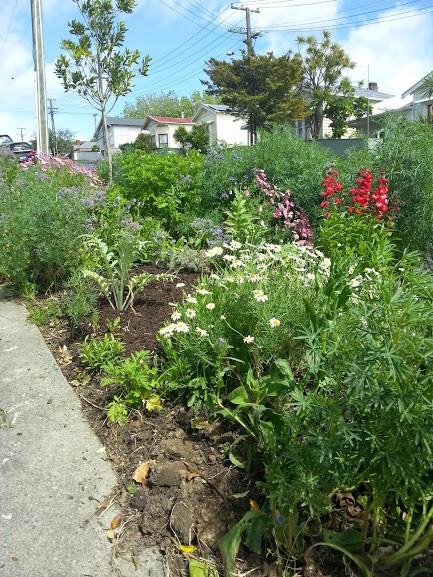
At the Board’s December meeting we passed the following resolution in an attempt to progress Auckland Transport’s draft guidelines to encourage responsible plantings on grass verges. In the meantime “happy berms” have appeared over the summer.
Some of the events I attended during December and January
The centenaries of Parnell Pool and the Tepid Baths were celebrated in December and the Grey Lynn Library’s 90th birthday.
Mayoral Reception on the occasion of the Battle of the River Plate 75th anniversary commemoration with the remaining 5 survivors.
The final Citizenship Ceremonies of 2014 were held on 1 December at the Town Hall (I was in the official party for the afternoon ceremony)
Auckland put on a beautiful morning for the Ironman 70.3 on the waterfront. I attended the welcome function on 16 January.
I attended the Breakers game on Friday 23rd January as a guest of the Mayor
It was sad to farewell Chris Davidson at the end of January as the CEO, Parnell Trust but he leaves the Trust in great shape.
Transport Minister Simon Bridges, Mayor Len Brown and NZTA CEO, Geoff Dangerfield
On 30 January on the old Nelson St motorway off-ramp the Minister of Transport announced the first package of projects to receive funding as part of the government’s $100 million Urban Cycleways programme. He also announced the Urban Cycleways Investment Panel that will recommend projects to the Minister. I’m delighted to have been appointed as one of 5 panel members representing LGNZ.
An exciting new cycleway on the redundant off -ramp (a project included in the City Centre Masterplan) connecting Upper Queen Street with Quay St via Nelson St is one of the projects to receive Urban Cycleways funding from the first tranche of projects.
Ministry of Transport Media Release: 30 January 2015
Panel Members Richard Leggert and Pippa Coom
First set of Urban Cycleways projects announced
Transport Minister Simon Bridges today announced the first $37 million worth of cycleway projects to be rolled out across the country as part of the Government’s Urban Cycleways Programme.
First announced in August 2014, the $100 million Programme is designed to pull together a range of funding sources to invest in expanding and improving New Zealand’s cycling network.
“This is the beginning of a programme that will change the face of cycleways in New Zealand using clever funding leveraging.
By pulling together multiple funding sources, the Urban Cycleways Programme will get high-quality projects underway much sooner than may otherwise have been the case.
The Government’s Urban Cycleways Fund will contribute $9.92 million, with
Nelson St off ramp before/after – City Centre Masterplan image
another $21.12 million coming from the National Land Transport Fund, and $6.26 million from local government and other contributions,” Mr Bridges says.
This year, those sources have made available a total of $37,295,000.
When completed, the Urban Cycleways Programme will have supported the investment of up to $320 million, over four years, to create a safe, user-friendly cycleway network across the country.
“The Urban Cycleways Fund will accelerate the first set of 13 projects, which will get underway in Auckland, Hamilton, Palmerston North, Wellington, Christchurch and Dunedin, and almost all will be completed over the next 6-9 months,” Mr Bridges says.
“The projects I am announcing today have been prioritised because of their value to commuter cyclists, and their additional benefits to recreational riders.
“Further projects to receive funding from the remaining $90 million in the Urban Cycleways Fund will be announced later this year,” Mr Bridges says.
Urban Cycleways Programme projects are decided by the Minister of Transport, on the recommendation of the Urban Cycleways Investment Panel.
The Panel has been selected to assess the projects and prioritise funding.
The Panel members are:
Cynthia Bowers, Deputy Mayor of Hastings
Glen Koorey, Senior Lecturer in Transportation Engineering at the University of Canterbury
Richard Leggett, Director of Cycling NZ and Chair of the Cycling Safety Panel
Pippa Coom, Deputy Chair of the Waitemata Local Board
Mike James, General Manager Road and Rail, Ministry of Transport
Dave Brash, Group Manager Planning and Investment, New Zealand Transport Agency.
Pohutukawa Savers will be out in force at the SH16 St Lukes Interchange Upgrade community liaison meeting on Tuesday evening, 20th January, to highlight the imminent threat to six heritage pohutukawa opposite MOTAT, five of which are at least 80 years old.
A growing alliance of concerned residents from all walks of life and from across the region, the Pohutukawa Savers invite key decision-makers from Auckland Transport to front up and listen to community concerns. The meeting will be held at 6pm in the Western Springs Community Garden Hall – ironically, just down the road from the trees the group aims to save.
Auckland Transport claims the trees must go to make space for its preferred intersection design that creates a second turning lane into St Lukes Road. The Pohutukawa Savers believe the trees can be retained via an improved design that also satisfies traffic requirements. They intend to vigorously appeal Auckland Transport’s decision to the Environment Court.
Pohutukawa Savers spokesperson Jolisa Gracewood says, “These grand old trees are a vital element of the area’s history and living heritage. They were planted in 1934 as part of a continuous avenue of pohutukawa along Great North Road, to beautify the newly created public greenspace as a gift to the citizens of Auckland. As such, they belong to all Aucklanders, and are located on open park land under the responsibility of the Waitematā Local Board.”
“These trees form a spectacular streetscape that welcomes visitors to the Western Springs parks precinct. Trees of this stature are crucial to the urban ecosystem, providing shade, air-filtering and stormwater dispersal, as well as a habitat for native birds. People all over Auckland, and beyond, are aghast at their proposed destruction. The spontaneous joy with which people have decorated the trees since hearing about their possible fate shows how valued they are.”
“Sacrificing these healthy, monumental trees would be a hasty, irreversible loss for little demonstrable gain. We know Auckland Transport has workable alternatives to this ‘either/or scenario’, and we believe that smart design can solve the traffic questions while preserving the historic and visual integrity of the space. We are asking Auckland Transport to recognise the value of these trees to Aucklanders of yesterday, today and tomorrow — and to help create a more liveable city by embracing a 21st century design that saves the trees.”
The meeting will be held on Tuesday 20 January at 6pm at the Western Springs Community Garden Hall, Great North Road. All who wish to support the trees are encouraged to attend.
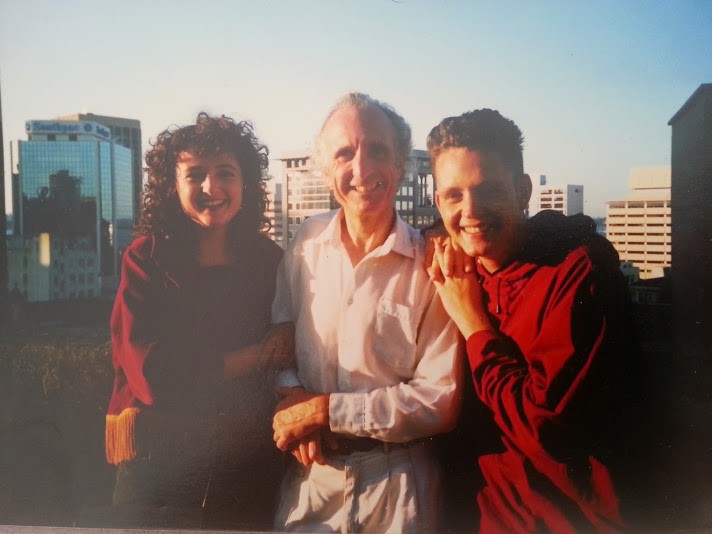
Me, my dad Malcolm Coom and brother Adam. December 1991
Just over twenty years ago my generous, fun loving, warm hearted dad was making plans for an overseas trip. He regularly visited the UK (where his parents lived) but this time he was especially excited about including lots of dancing into his travels leading up to the Rio Carnival. My dad loved to dance Latin American style and was a regular at the old El Inca club on K’rd.
Before he left for the UK he set out on a roadie to visit me in Wellington where I lived at the time. He never made it. At Sanson on SH1 he missed the turn off to Wellington and a few minutes later along SH3 he was killed instantly in a head on crash.
He was 49.
Many years later and now with a role on the Waitematā Local Board advocating for road safety, I’ve come to think of the crash not just as a personal family tragedy but also how it provides an understanding of the “safe systems” approach to creating a forgiving roading network.
Every part of the system failed my dad.
The Road: The signage on SH1 used to be terrible. It was easy to miss the turnoff at Sanson like my dad did. Shortly after the crash Transit upgraded the signage.
The crash occurred where an overtaking lane abruptly ends at the brow of a hill.
Road Use: The driver of the on- coming car pleaded not guilty (I think the charge was careless driving). He couldn’t remember the crash and could not believe that he had caused it. He thought of himself as a safe driver who was very familiar with the stretch of road.
The Vehicle: My dad loved old cars (unlike his dad who after a working life in the Vauxhall factory in Luton was able to upgrade his car every year). The car he was driving (I think a Rover) didn’t have any driver safety features like air bags.
Speed: The other driver made a mistake misjudging a simple over taking move in a passing lane. Unfortunately his speed gave him no time to react when he found himself on the wrong side of the road.
Even the best drivers make mistakes. What we don’t have to accept is that fatalities and serious injuries are just an inevitable consequence of driver mistakes. A safe system approach means that we can demand a lower road toll and even zero road deaths (“Vision Zero“) but we all have to play our part. We need improved road design, safer vehicles, competent road users and safe speeds.
The NZ Police are currently under pressure to get their messaging right about their approach to enforcing the speed limit and need to explain why the road toll has increased during the holiday period (when the trend is downwards). However I absolutely back the Police taking a hard line on speed enforcement (with the posted limit recognised as the limit without fiddling with “tolerances” rounds the edges) . It is a lazy political response to claim (as Ron Marks MP has done) that speed management is about revenue gathering. It is based on international evidence that reducing speeds reduces the number and severity of crashes.
If anything I would like to see the Police put even more resources into enforcing urban speed limits. The Waitematā Local Board is advocating for slower speeds in residential areas (starting with a trial) and supports the City Centre Masterplan objective of a central slow speed zone. Reducing speeds will contribute to liveability and encourage more people to walk and cycle. And of course easing back on the gas will save lives.
The Safe System approach aims to create a forgiving road system based on these four principles:
People make mistakes
People make mistakes and some crashes are inevitable.
People are vulnerable
Our bodies have a limited ability to withstand crash forces without being seriously injured or killed.
We need to share responsibility
System designers and people who use the roads must all share responsibility for creating a road system where crash forces do not result in death or serious injury.
We need to strengthen all parts of the system
We need to improve the safety of all parts of the system – roads and roadsides, speeds, vehicles, and road use so that if one part fails, other parts will still protect the people involved.
Over the Christmas – New Year break the “Pohutukawa Savers” have been busy drawing attention to the plight of the majestic trees Auckland Transport wants to chop down at 820 Great North Road opposite MOTAT. The Pohutukawa 6 are up against the motorway widening juggernaut but there is still time to save them for the benefit of future generations.
Here is an update on the process so far and what steps are available to put a stop to Auckland Transport’s tree destruction agenda.
Back in August 2013 Auckland Transport’s presented “final” plans to the Waitematā Local Board for widening Great North Road as part of NZTA’s St Lukes interchange project to provide for an additional turning lane onto SH16 via a reconstructed St Lukes bridge. AT’s plans included improved cycling facilities and an extended bus lane but also required the removal of six 80 year old Pohutukawa trees. As the trees are on Auckland Council owned open space land zoned for car parking Auckland Transport needed the Board’s consent to go ahead with the intended works.
After many months of reviewing draft plans and discussing the options with the Board (and our Park’s advisors) Auckland Transport’s army of consultants were confident the Board’s sign off was a mere formality. However the Board remained unconvinced with Auckland Transport’s assessment that the only option was for the road to be widened and the trees removed so we refused to grant consent. I reported on the Board’s position at the time.
A couple of months later Auckland Transport took a different tack by successfully obtaining resource consent for stage 1 works for a single turning lane from Great North Road on to the new bridge. As landowners the Board gave approval for the trees to be pruned so the turning lane could be raised to meet the height of the new bridge-subject to a range of conditions.
However in Febuary 2014 Auckland Transport informed the Board that instead of going ahead with stage 1 as consented AT intended to seek to vary the resource consent and obtain a Notice of Requirement (NOR) to remove the trees. The application was publicly notified on 6 June 2014 and 65 submissions were received, the majority of which opposed the removal of the trees (frustratingly due to a clerical error 54 of these submissions were disqualified from the process – an absurd situation that undermined the hearing – Jolisa Gracewood has documented the experience here) . The Waitematā Local Board was one of the submitters in opposition to the NOR suggesting an alternative design which would have seen the trees retained without defeating Auckland Transport’s transport objectives.
A public hearing on the NOR was heard in early November over 2 days. The Waitematā Local Board engaged its own lawyer (the excellent Nick Whittington from Meredith Connell) and expert witnesses to strongly oppose Auckland Transport’s application at the hearing as outlined in the Board Chair’s statement.
Auckland Transport’s planting schedule
Just before Christmas, Council received the independent commissioners recommendation unfortunately confirming the NOR as lodged, i.e. with the removal of the trees, with the addition of the landscaping plan (photo right) submitted at the hearing.
Next Steps
Auckland Transport formally received Council’s (through the Hearing Panel) recommendation on 18 December 2014 and has 30 working days to make their decision on whether or not they accept the Hearing Panel’s recommendation. They can now make that decision any time up until 20 February 2015. (For the purposes of the RMA, “working day” does not include the period commencing 20 December to 10 January).
Once Auckland Transport advises Council of their decision, Council has 15 working days to advise submitters of the decision.
Auckland Council (as the Territorial Authority) and/or the submitters may appeal the decision within 15 working days of receiving notice of Auckland Transport’s (the Requiring Authority’s) decision
The appeal period runs for 15 working days from Auckland Council’s notification of Auckland Transport’s decision.
AT cannot do any of the works under the NOR (which includes the removal of trees) until such time as the appeal period has ended and any appeals resolved.
Once the appeal process has been exhausted and if Auckland Transport has permission to remove the trees, Auckland Transport has to seek land owner consent to enter the land. Auckland Council is the landowner. The Waitematā Local Board are the delegated decision makers. If the Board refuses to give consent AT will then have to use the Public Works Act. At the Community Group Liaison Meeting on 20 January (reported on by Transport Blog’s Patrick Reynolds) Board Chair Shale Chambers said that he would take the decision to a Board meeting so that there would be another opportunity for public input.
The fight to save the trees
The appeal process is likely to mean that Auckland Transport cannot take any steps to remove the trees until well into the year. In the meantime campaigning is underway to put pressure on Auckland Transport to re-look at the options.
Action Station: use this handy link to send an email to David Warburton, CEO Auckland Transport (over 500 have used it already)
Follow and support the campaign on Facebook(Save the Western Springs Pohutukawa)
Join the campaign:a Pohutukawa Savers group is using Loomio to plan the protest action. The history of the trees is also being collated by Jolisa Gracewood . It looks highly likely the Pohutukawas that form a boulevard along Great North Road were planted deliberately on Arbor Day in 1934 for the enjoyment of future generations as part of the formation of Chamberlain Golf Course
At the Waitematā Local Board’s December (2014) meeting the Board unanimously passed the following resolution:
b) That the Waitematā Local Board
i) Supports encouraging and enabling community use of berms as much as practicable
ii) Supports the development of berm-planting guidelines, which would include:
Benefits of appropriate berm planting
Safe depths to dig to
Ideal plants in a number of categories – natives, food, trees
Maintenance expectations, including in regard to safety eg height
Role of Local Boards in acting as a key conduit for Auckland Transport to have community relationships around berm planting
Working with neighbours
iii) Requests Auckland Transport develop berm planting guidelines in conjunction with Local Boards
iv) Requests Auckland Transport report on progress to the Board’s February meeting
Background
In July 2013 Auckland Transport standardised the urban berm moving service so that generally all owners and occupiers adjacent to road side grass verges (berms) are responsible for maintenance. Auckland Transport has provided various exceptions such as on road corridors through town centres and on steep sections.
Following an increase in residents informally planting on the berms Auckland Transport undertook in February 2014 to draft guidelines. These guidelines have not yet been forthcoming, even in draft form, although the Community Placemaking Champions group of Local Board members (of which I am a member) was recently briefed that “private” berm guidelines will be released for consultation in 2015. “Private” applies to people who wish to plant a berm that is adjacent to their existing property, and will not cover community groups or gardening collectives who may wish to plant on berms.
The champions group has recognised that the guidelines provide an opportunity to support the “placemaking” function of berms and to foster the many benefits. For example – litter reduction, storm water management, streetscape amenity values, community development and the promotion of bio-diversity. Guidelines can provide a best practice framework for street planting while minimising the impact on the road corridor. For example the City of Sydney Footpath Gardening Policy allows residents and businesses to put planter boxes on the footpath and/or carry out gardening on footpath verges outside their properties under certain conditions.
Auckland Transport’s approach to the guidelines (including advice currently on AT’s website which incorrectly states berm planting is prohibited) suggests that the draft guidelines are not being approached from a placemaking perspective but mainly to identify what is not allowed in the road corridor for safety reasons.
Local Boards are best placed to develop the guidelines with Auckland Transport and to assist with the smooth implementation. I therefore recommend that the Board confirms support for encouraging and enabling community use of berms as much as practicable and directs Auckland Transport to develop appropriate guidelines in conjunction with Local Boards.
Update May 2022: Since my efforts to develop berm planting guidelines while on the local board the responsibility for all green spaces including berms has moved over to Auckland Council’s Community Facilities. I’ve got agreement for the guidelines to be added to the Environment and Climate Change Committee work programme. So it has been slow going but we are making progress. In the meantime the draft guidelines on AT’s website will be followed if there is a complaint about a berm. This is just something to be aware of when planting berms.
This report covers my Waitematā Local Board activities during November 2014 as Deputy Chair, lead for the Community and Transport portfolios, Chair of the Grants Committee, Deputy Chair of the Central Joint Funding Committee and with positions on the Ponsonby Business Association and Ponsonby Community Centre Committee.
I was acting chair for the week of 17th November.
This is my final report for 2014 and also brings to an end the first year of this term of Auckland Council.
Many thanks to all those who have supported the Board’s work during 2014. I’d also like to take this opportunity to wish everyone a happy festive season & summer solstice (photo right: Child Fund NZ’s brilliant Tree of Bikes at Queens Wharf)
Recommended resolution:
a) That the report be received.
b) That the Waitemata Local Board
i) Supports encouraging and enabling community use of berms as much as practicable
ii) Supports the development of berm-planting guidelines, which would include:
Benefits of appropriate berm planting
Safe depths to dig to
Ideal plants in a number of categories – natives, food, trees
Maintenance expectations, including in regard to safety eg height
Role of Local Boards in acting as a key conduit for Auckland Transport to have community relationships around berm planting
Working with neighbours
iii) Requests Auckland Transport develop berm planting guidelines in conjunction with Local Boards
iv) Requests Auckland Transport report on progress to the Board’s February meeting.
Portfolio reports: Transport
Parking – Amendment to Road Users Rules to allow residents to park over their own driveways
At the Waitematā Local Board November meeting Trevor Lund, a member of the Freemans Bay Residents Association, presented in public forum seeking a letter of support from the Board requesting NZTA amend clause 6.9 of the Road Users Rule to allow Road Controlling Authorities (in this case Auckland Transport) to exempt residents with a permit, and allow them to park across their own driveways (parallel to the kerb, not over the footpath).
The proposal has the potential to create additional parking spaces in areas where there is high demand for on-road parking. In the response to Mr Lund’s presentation the Board passed the following resolution.
9.2 Public Forum – Trevor Lund, Freemans Bay Resident
Resolution number WTM/2014/215MOVED by Chairperson S Chambers, seconded by Deputy Chairperson PJ Coom:
a) That Trevor Lund be thanked for his attendance and presentation to the Board.
b) That the proposal be referred to Auckland Transport and the Transport portfolio holders for further consideration and that this be reported back to the Board meeting on 8 December 2014
The proposal was discussed at the transport portfolio monthly catch up on 26 November. We considered the benefits of the proposal for areas like Freemans Bay where on street parking is at capacity due to all day commuter parking. We noted a number of points
Currently where a resident parks across their driveway (parallel to the kerb or facing the driveway as in the photo right but not over the footpath) Auckland Transport will not enforce the rule unless there is a complaint. The rule gives Auckland Transport the ability to act where there is a dispute over access or safety issues.
There are benefits to all residents of keeping driveways clear for example driveways provide safer crossing points for pedestrians particularly with pushchairs. A street with no gaps in the on- street parking could also create hazards for wheelchair users and mobility scooters.
The resident parking zone that Auckland Transport is going to consult on early next year is intended alleviate much of the parking pressure on Freemans Bay.
Many residents may wish to see occupancy rates reduce on residential streets once the parking zone is installed and not wish to encourage additional parking across driveways.
There are administrative issues for Auckland Transport to consider for example how to identify the legitimate home owner’s car and how to enforce complaints. There are also costs associated with a permit scheme (and residents may query why a permit should be necessary for an activity that is currently “permitted”).
Overall the transport portfolio concluded that while we wish to support proposals that will address the very serious parking issues currently experienced in Freemans Bay we think there are a number of down-sides to a rule change. Also in practice it is likely to make very little difference to the parking available because residents already park across their own driveways when necessary.
However we will continue to discuss the options with the Freemans Bay Residents Association and Auckland Transport and support Auckland Transport undertaking a trial of the proposal. We also recommend the Board re-consider providing a letter of support to NZTA once the residents parking zone has been implemented and the impact assessed.
Notice of Requirement hearing – removal of 6 mature pohutukawa trees on Great North Road
Auckland Transport’s planting schedule
I attended the Notice of Requirement hearing on 5 and 6 November in support of the Board’s objection to Auckland Transport’s proposal to remove 6 mature Pohutukawa trees on Great North Road. The Board’s lawyer Nick Whittington did a fantastic job at the hearing arguing that the adverse impact of removing the trees on GNR would be “significant” and “enduring” and outlined why Auckland Transport evidence was “back-filling, self-serving and cursory”. We have asked AT to consider an alternative option (referred to in the hearing as option 6).
Disappointingly Auckland Transport has stuck to their position that there is no alternative but to remove these notable trees (probably planted on Arbor Day in 1934) for road widening to provide for two lanes turning from Great North Road on to a new St Lukes bridge. At the hearing AT represented their proposed planting plan to replace the trees. (photo right)
An aspect of the hearing that was particularly preposterous was the 54 submissions out of 64 that all had wrong submission numbers were found to be “invalid” due to clerical error. One submitter Jolisa Gracewood has written here about the experience of being so terribly let down by the process.
Fortunately she still chose to speak and put forward her very well considered points, as she said “Auckland Transport’s plan prioritises car movement at all costs: no creative thought for how to safely move everyone else”
The Commissioners are due to release their decision on 17 December.
Cycling improvements
I was really thrilled to see the greening of new feeder lanes on Great North Road and K’rd at the end of November. As previously reported the issues with the Great North Road intersection were logged with Auckland Transport four years ago (one of the first safety issues I raised with AT after first getting elected). Due to the narrow lanes cyclists were forced to either navigate 3 lanes of traffic or mount the kerb to avoid getting squashed by buses and cars. AT’s original response was to say the feeder was not possible without the widening of the road by removing heritage buildings. Fortunately after persistent advocacy from the Board and Cycle Action Auckland someone clever at AT got on to the job earlier this year and came up with a solution not only on the Great North Road side of the intersection but also the K’rd approach (feeder lanes for the Ponsonby Road and Newton Road sections are also about to be installed)
Monthly transport update
A monthly update with Auckland Transport took place on 26 November. Current issues are reported back monthly by Auckland Transport on our public agenda including the details of the consultation undertaken with the Transport portfolio on behalf of the Board.
Portfolio reports: Community
Berm planting guidelines
In July 2013 Auckland Transport standardised the urban berm moving service so that generally all owners and occupiers adjacent to road side grass verges (berms) are responsible for maintenance. Auckland Transport has provided various exceptions such as on road corridors through town centres and on steep sections.
Following an increase in residents informally planting on the berms Auckland Transport undertook in February 2014 to draft guidelines. These guidelines have not yet been forthcoming, even in draft form, although the Community Placemaking Champions group of Local Board members (of which I am a member) was recently briefed that “private” berm guidelines will be released for consultation in 2015. “Private” applies to people who wish to plant a berm that is adjacent to their existing property, and will not cover community groups or gardening collectives who may wish to plant on berms.
The champions group has recognised that the guidelines provide an opportunity to support the “placemaking” function of berms and to foster the many benefits. For example – litter reduction, storm water management, streetscape amenity values, community development and the promotion of bio-diversity. Guidelines can provide a best practice framework for street planting while minimising the impact on the road corridor. For example the City of Sydney Footpath Gardening Policy allows residents and businesses to put planter boxes on the footpath and/or carry out gardening on footpath verges outside their properties under certain conditions.
Auckland Transport’s approach to the guidelines (including advice currently on AT’s website which incorrectly states berm planting is prohibited) suggests that the draft guidelines are not being approached from a placemaking perspective but mainly to identify what is not allowed in the road corridor for safety reasons.
Local Boards are best placed to develop the guidelines with Auckland Transport and to assist with the smooth implementation. I therefore recommend that the Board confirms support for encouraging and enabling community use of berms as much as practicable and directs Auckland Transport to develop appropriate guidelines in conjunction with Local Boards.
Community grants
The Community Grants Committee met in November to consider applications to the second round. We received applications totalling $$104,731 from the available $$69,153.
The committee’s recommendations are on the December agenda. Applications to the third and final community grant round for 14/15 can be made until 6 March 2015 (for a decision in April).
I also attended the Central Joint Funding Committee Meeting on 28 November to consider applications to Round 1 Auckland City Cultural Heritage Fund. We confirmed funding for 5 projects totally $23,322.93 including assistance to St Joseph’s Church, Grey Lynn (leadwork maintenance) and St Patricks Cathedral (restoration work) within the Waitematā Local Board area. $26,677.07 remains for the final round from this fund (which will cease to exist once the new funding policy is implemented for 15/16)
Community Gardens
Te Maara Community Garden blessing
One of the Board’s priorities is to support community gardens so I was particularly pleased to attend the blessing of Te Māra (the Grey Lynn Community Garden). Redevelopment of this garden at St Columba Church under the guidance of a new vicar Brent Swann was made possible with a community grant from the Board
Also during November a new initiative has been launched called Kai Auckland – a movement for all Aucklanders that offers a cohesive and integrated approach to creating connection and nourishment through food. Groups such as community gardens, food coops and farmers markets are encouraged to register on the site.
Kelmarna Community Gardens
Framework Trust confirmed during November that they are no longer in a position to sub-lease Kelmarna Community gardens. This has been a distressing time for the clients and Framework employees who work at the gardens. Fortunately Kelmarna Community Gardens Trust has confirmed that they would like to continue with the lease (which is about to be renewed) and are keen to explore options with the Board for continuing the management of the gardens. A meeting has been arranged with the Trustees, relevant Community Development officers and the community portfolio members to discuss options going forward.
Workshops and meetings
In the period 1 November – 30 November I attended:
Ponsonby Community Centre management committee meeting on 3 November
Local Board Workshop on 4 November
Attended the Notice of Requirement hearing remove 6 Pohutukawa trees on Great North Road on 5 and 6 November
Meet Ponsonby Business Association GM on 6 November
Communications catch up on 10 November
Engagement adviser catch up on 10 November
Auckland’s Resource Recovery Network – Workshop for Local Board Members on 10 November The purpose of this workshop is to update you on the RRN and discuss the opportunities that resource recovery facilities can provide local boards to progress community, economic development and environmental objectives. Presentations from Xtreme Waste Raglan and the new Waiuku Recovery Centre
Ponsonby Business Association Board meeting on 11 November
City Centre activation programme
Te Reo Māori exam on 11 November
Waitematā Local Board business meeting on 11 November
Attended presentation to Ponsonby Business Association members on 254 Ponsonby Road options on 12 November
Meeting on 13 November with Auckland Transport regarding the prioritisation of transport projects for the Long Term Plan
Waitematā Local Board workshop on 13 November
LGNZ Zone One meeting in Maungawhai on 14 November
Workshop on 18 November with governing body members on options for the Aotea Square/Civic Administration Building
Waitematā Local Board workshop on 18 November
Meeting up of community group representatives organised by Auckland Transport to discuss plans for an “open streets” even on Quay St in April 2015
Joint Governing Body and Local Board Chairs meeting on 19 November (A regular meeting offering the opportunity for the two arms of Auckland Council’s governance to discuss and debate key issues)
Meeting with local resident regarding resource consent issues
Community Grants briefing on 20 November
Local Board Chairs Greenways Plans and Walking and Cycling Networks Collaboration Meeting on 24 November
Community Grants Committee meeting on 24 November
Shinagawa Peace Delegation to Auckland
Meeting with Shinagawa Peace Delegation hosted by Cr Cathy Casey (This year marks the 30th anniversary of the Nuclear-free Peaceful City Shinagawa Declaration. As part of the commemorations, a peace delegation from Shinagawa will be visiting Auckland from the 24th to the 26th November. The purpose of the visit is to exchange information about peace initiatives that are part of the wider ‘Cities for Peace’ movement, of which Auckland Council became a part in 2011. The delegation will also meet with the Peace Council and staff members from the Peace Foundation while they are in Auckland.)
Meeting with Sustainable Coastlines to discuss their Waterfront training centre and resource recovery park concept to be built at Wynyard Quarter
Stakeholders consultation meeting on the Newmarket Laneways Plan on 24 November
Ponsonby Community Centre AGM on 24 November
Waitematā Local Board workshop on 25 November
Communications catch up on 25 November
Meeting to discuss LTP 2015 consultation events with the Board’s engagement adviser
Civil Defence Community Response Group meeting hosted by Grey Lynn Neighbourhood support
Monthly Transport portfolio catch up on 26 November
Community Development portfolio monthly catch up on 26 November
Central Joint Funding Committee Meeting on 28 November – Round 1 Auckland City Cultural Heritage Fund Applications
Events and functions
In the period 1 November – 30 November 2014 I attended:
Blessing of Te Māra – St Columba Community Gardens – He Timatanga Hou Project on 1 November
Beach Road stage II consultation open day at Britomart Market on 1 November
Reuse to reduce market at Auckland Zoo for conservation week
ATC’s Jesus Christ Superstar opening night production at Q Theatre on 1 November at the invitation of ATC
Grey Lynn Farmers Market AGM on 2 November (I was re-elected Chair of the management committee)
Blend with the Bluntletts ride on 2 November organised by Generation Zero, Transportblog, Blend Store and the Frockers at Frocks on Bikes – Auckland (photo right published in the Auckland City Harbour News)
Green Desk interview with blogger and writer Melissa Bruntlett, who lives life on two wheels in Vancouver, about Van Cycle Chic – Observations from an Emerging Bike Culture.
Auckland Conversations on 4 November Vancouver Cycle Chic: Observations from emerging bike culture Chris & Melissa Bruntlett ( report back on their presentation)
Silo Theatre’s Blind Date at Basement Theatre at the invitation of Silo Theatre on 5 November
Cycle Action’s Associates breakfast on 6 November
Light Show at the Auckland Art Gallery (I couldn’t make it to the opening night but enjoyed going with friends)
The Official Launch of Federal Street on 7 November
Franklin Road upgrade Open Day – Community Information Session on 8 November hosted by Auckland Transport
Sustainable Coastlines the Love Project at Silo Six
Armistice Day Commemoration at Auckland Museum
Art in the Dark launch on 12 November and attended Art in the Dark at Western Park on 2 of the 4 nights (one of the four nights was cancelled)
Parnell Festival of Roses opening speech and helped at the Board’s stand to consult on the Pt Resolution plan
Launch of the ATEED innovation plan at GRID AKL
Creative Communities Showcase hosted by Auckland Council
World of Wearable Art Exhibition Launch at the Auckland Museum
Opening of the Outside Art Fair hosted by Toi Ora Art Trust on 21 November
Nuffield Street, Newmarket Christmas Festival on 22 November
Glenn Innes to Tamaki Drive cycleway open day hosted by Auckland Transport on 22 November
Picnic with board members Christopher Dempsey and Deborah Yates for the Daldy Street opening Party Saturday 22 November
Auckland Conversation – Affordable Housing Panel Discussion on 24 November
Blessing of Myers Park new playground on 26 November
Spring Fling event in Takapuna hosted by Auckland Transport and Frocks on Bikes on 26 November
Daldy Street Picnic
Consultation and Engagement Awards 2014 at the Town Hall on 28 November (Since 2011, the Consultation and Engagement Awards have recognised excellence, and encouraged quality and innovation in public participation. The awards are a chance to celebrate and have pride in the high standard of community consultation that happens across Auckland, ensuring sustainable decisions can be made and ultimately creating the world’s most liveable city while delivering Aucklanders great value for money. Congratulations to the Local Board Services Team who won the “involve” category and the People’s choice award for the 21 Local Board Plan)
Lighting up of the Child Fund NZ Tree of Bikes on Queens Wharf on 28 November
Grey Lynn Park Festival and helped out on the Waitemata Local Board stand consulting on the draft Grey Lynn Park Development Plan on 29 November
Santa Parade on 30 November at the invitation of ATEED
Grey Lynn Festival consultation stand (Photo Michael McClintock Ponsonby News)
Gifts:
Book gifted by the author: Auckland’s Remarkable Urban Forest by Mike D Wilcox
Auckland Conversations: Vancouver Cycle Chic – Chris and Melissa Bruntlett, Modacity
The Bruntletts from Vancouver spoke at the Auckland Conversations on 4 November 2014 from their perspective as parents of young children who gave up the family car in 2010 to enjoy the health, environmental and social benefits of walking, cycling and public transport. They shared their experiences as their home city develops a welcoming cycling environment.
Their observations about what has been happening in Vancouver since the construction of a network of separated cyclelanes provided valuable for lessons for why should also strive to improve every day cycling in Auckland.
They talked about the importance of a bike friendly policy including:
Lower speed limits
Providing for bikes on buses
Improved connectivity
Four common complaints about cycling investment that they have experienced in Vancouver ( “bikelash”) are very familiar to what we hear in Auckland:
Fear about losing parking
Speculation that cycle paths create traffic congestion
“taxpayer” groups – the cost of constructionshould be considered a luxury
Just caters to law breakers – red light runners
However they are able to point to data that tracks the benefits for all road users of installing separated cyclelanes:
Just a 30 second increase in traffic delays
18% decrease in collisions
80% decrease of sidewalk cycling
34% of people cycling are women (an important indication of success)
4x increase in children cycling downtown
Melissa Bruntlett and Leah Murphy (Frocks on Bikes Wellington)
Melissa who blogs about her cycling experiences (and contributes to Momentum Magazine and other publications) advocates for the slower, simpler more civilised bike culture that is provided by “Dutch” style upright bikes. This style of bike, that I am fortunate to enjoy with my Velorbis, is ideal for riding for utility rather than exercise at slower speeds and means the rider can dress for their destination (part of the Frocks on Bikes manifesto)
It was interesting to hear the impact of separated cycling infrastructure on British Columbia’s compulsory helmet requirements. Chris reported that as people have felt more safe and comfortable cycling there is less use of helmets and the law is becoming unenforceable. I think we will see the same thing happen in Auckland eventually.
The presentation was interspersed with Vancouver Cycle Chic films produced by Chris showcasing everyday experiences of riding a bike. A particular favourite features Amy and her dog Winston who travels in a bike basket.
In Auckland the conversation has only just started regarding the business benefits of bikes. Without local data we are struggling to convince retailers that bikes mean business. In Vancouver cycle lanes have resulted in increased revenue, more tourists and additional businesses popping up along popular routes like craft beer tasting rooms. The Vancouver experience made it easy to imagine the benefits that business districts like Ponsonby Road and K’rd will reap from separated infrastructure.
It was really refreshing to hear from non- experts (of the technical engineering and urban planning kind) about what safe and accessible space for cycling means in practice. Melissa mentioned that being a no- car household has improved their quality of life and provides more time together as a family.
Chris and Melissa’s visit to NZ and Auckland Conversations presentation will hopefully inspire Aucklanders, especially parents, to embrace the benefits of our city’s own emerging bike culture.
Other highlights from the Bruntlett’s visit to Auckland
Bcast Green Desk 4 November – my interview with blogger and writer Melissa Bruntlett, who lives life on two wheels in Vancouver, about Van Cycle Chic – Observations from an Emerging Bike Culture.


 The Council’s consultation on the 10 year budget (Long Term Plan) has been a catalyst for a wide-ranging conversation about our city’s transport priorities and investment. “Fixing Transport” is highlighted as one of the 4 key issues facing Auckland.