Author: Pippa Coom
Guess what. Communities want safe streets and cycling improvements
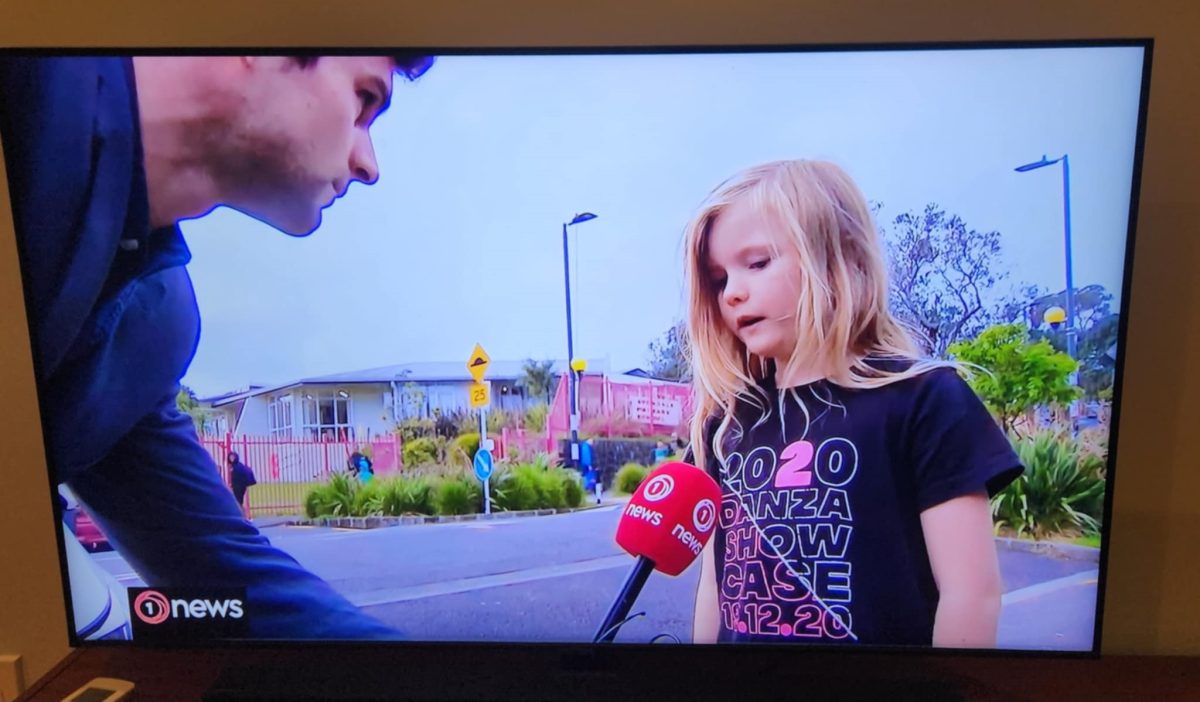
The local government election 2025 delivered majorities for City Vision on the Albert-Eden and Waitematā Local Boards. This was sweet vindication after the nasty culture war election 3 years ago that drummed up angry opposition to everything from road cones to pedestrian crossings.
It turns out communities do want safe streets, cyclelanes and climate action. City Vision stood on a positive, policy-forward vision for a thriving, inclusive and liveable Auckland, in contrast to the fear-mongering campaign from the National Party-aligned C&R dictated by the coalition government’s agenda to slash local government services.
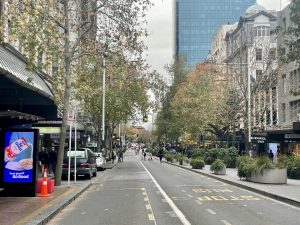
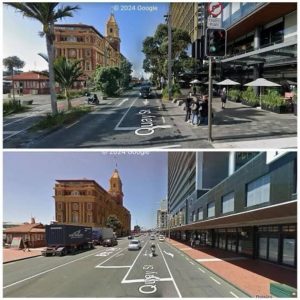
As Greater Auckland put it about the result “In other words, despite a barrage of headlines over recent years, and relentless attempts at derailment (including by the re-elected councillor for Waitematā & Gulf), it seems that multi-modal street upgrades like Pt Chev, Meola Road, Great North Road, the Inner West links, Project K, and Victoria St, not to mention the so-called ‘destruction’ of the city centre via CRL works and Quay St, Queen St, Te Ha Noa, and Te Komititanga… are not all that “controversial” after all… and in fact may be popular?”
It wasn’t the complete result we wanted but I’m really delighted to have been part of a campaign built on positive progressive policies supporting a great group of candidates.
City Vision’s wrap up of the result
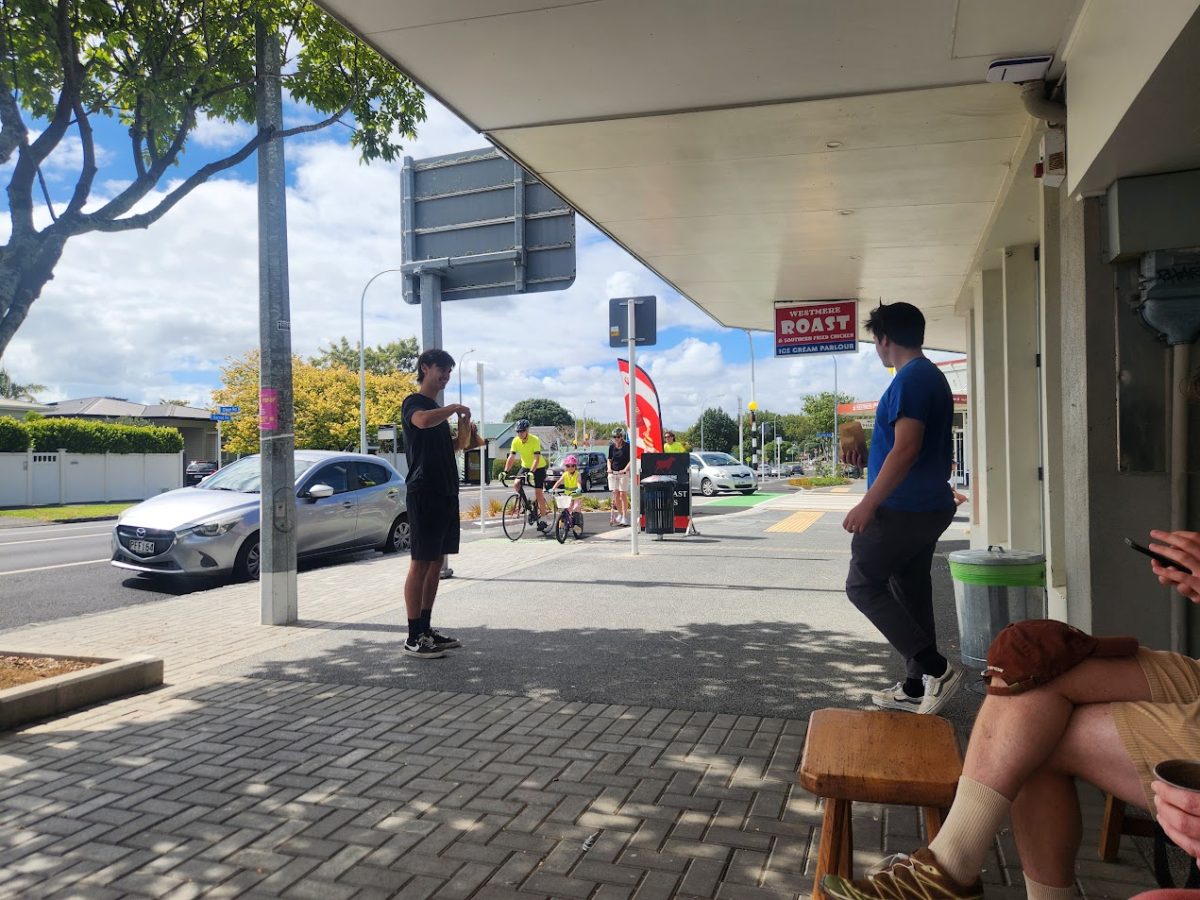
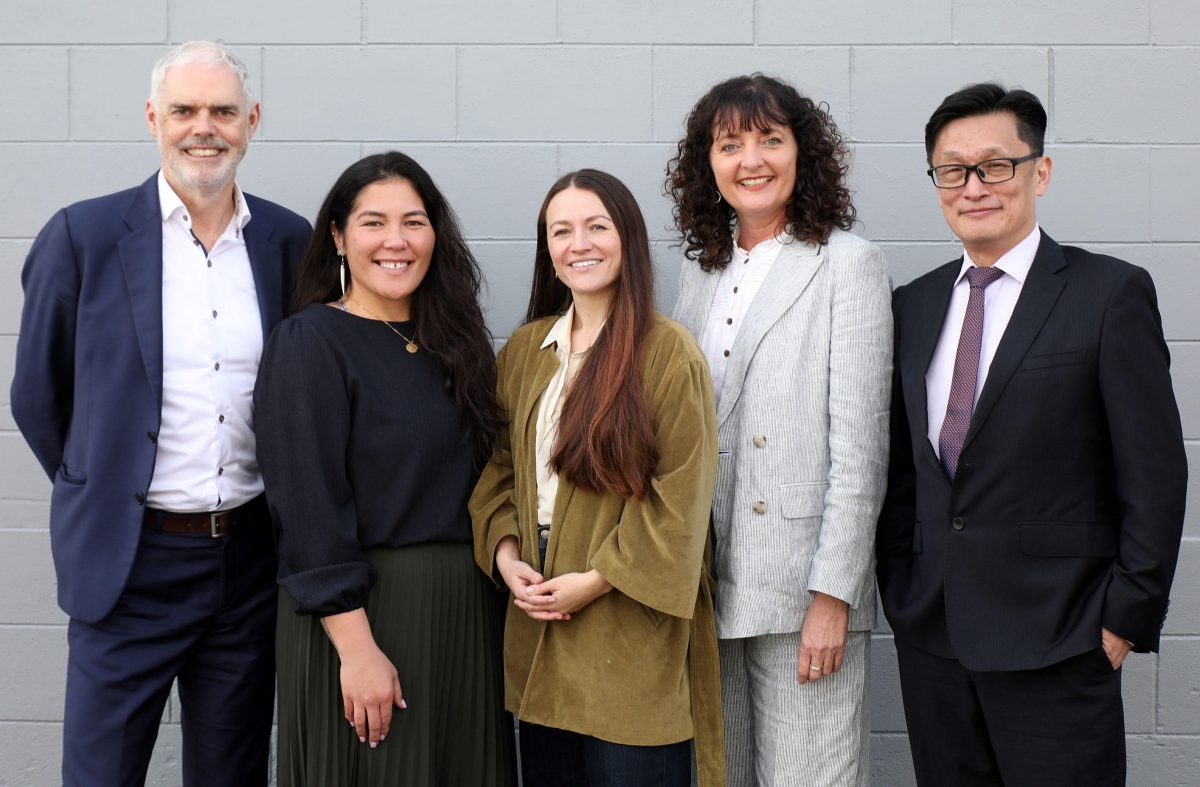
Photos of some of the City Vision and community wins from the last 3 years.
How to vote for a liveable, thriving and inclusive Auckland
It is super easy to vote in the local government election on now.
If you are enrolled you will have received an orange envelope with your voting papers inside. All it takes to have your say.
GET TICKING: choose the candidates to represent you and your community (I am backing City Vision as the only team with policies for a liveable, thriving and inclusive Auckland)
STUFF IT: seal your vote inside the orange envelope
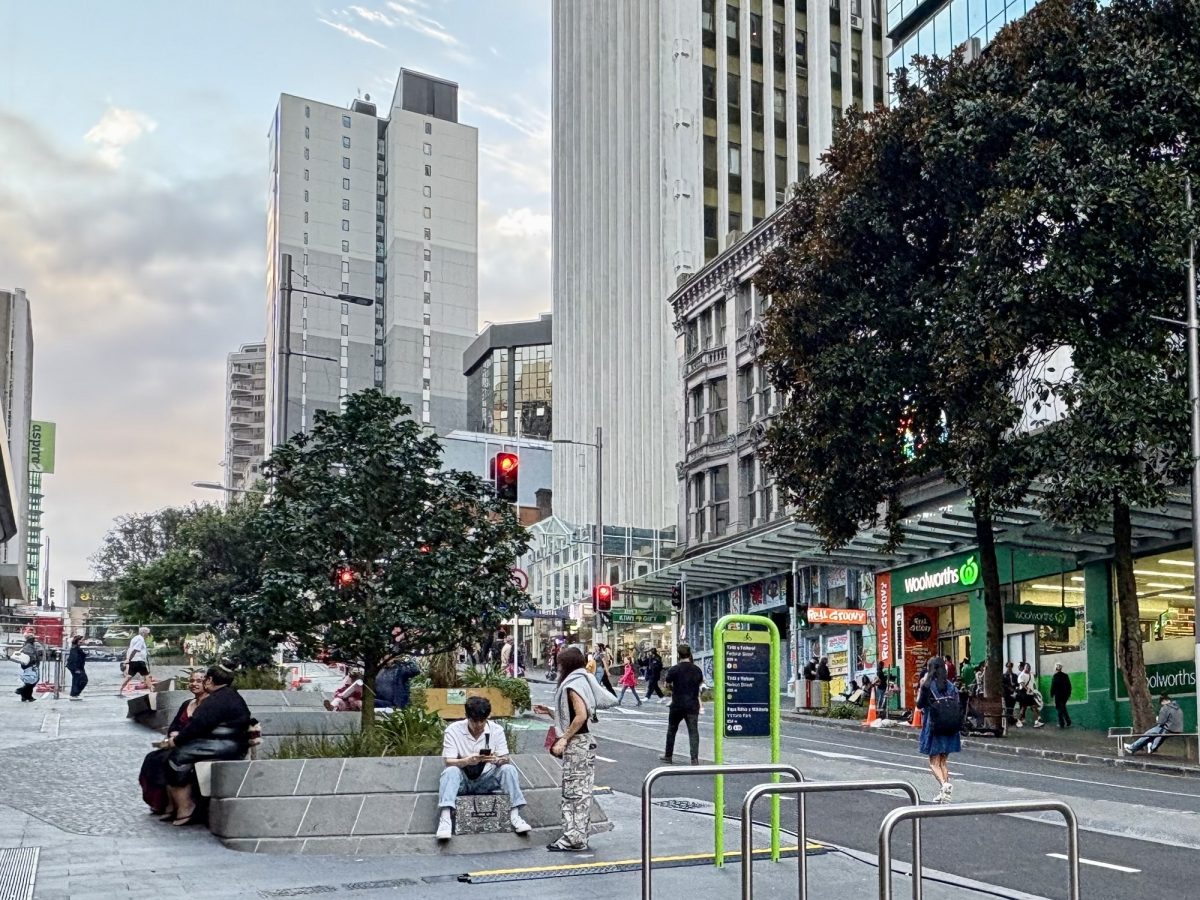
DROP OFF: take your vote to the library or a Woolworths supermarket right up until midday Saturday 11 October.
If your voting paper hasn’t arrived, or you need more info, visit voteauckland.co.nz
I am part of the campaign team for City Vision backing a great team of candidates who are really clear about what they stand for and their principles. City Vision has progressive policies for a liveable, thriving and inclusive region . City Vision brings together Labour, Greens & community independents committed to a progressive vision for Tāmaki Makaurau Auckland
Make your own assessment: Candidate surveys are a good way of comparing policies and positions
Mike Lee had his comeback – now it’s time for positive progressive leadership
Save our Safe Streets
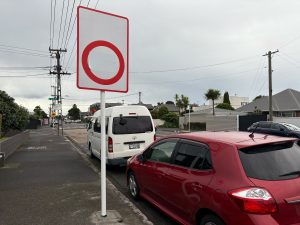
Auckland Transport is in a lonely race to raise speeds on over 1400 residential streets mainly around school communities under the government’s Speed Rule. This is a deliberate decision while other cities like Hamilton and Dunedin are taking a more considered and rational approach.
I am part of growing alliance of leading road safety experts and transport advocates who are calling on Auckland’s Mayor to urgently intervene and halt any further speed limit reversals. This will prevent Auckland Transport wasting millions of dollars on making Auckland’s streets less safe, less healthy, and less efficient.
In addition over 400 people have signed an open letter to the Minister and Auckland Transport to let Aucklanders keep safe speeds.
Our latest media release here
Te Rimutahi a community-led development success story

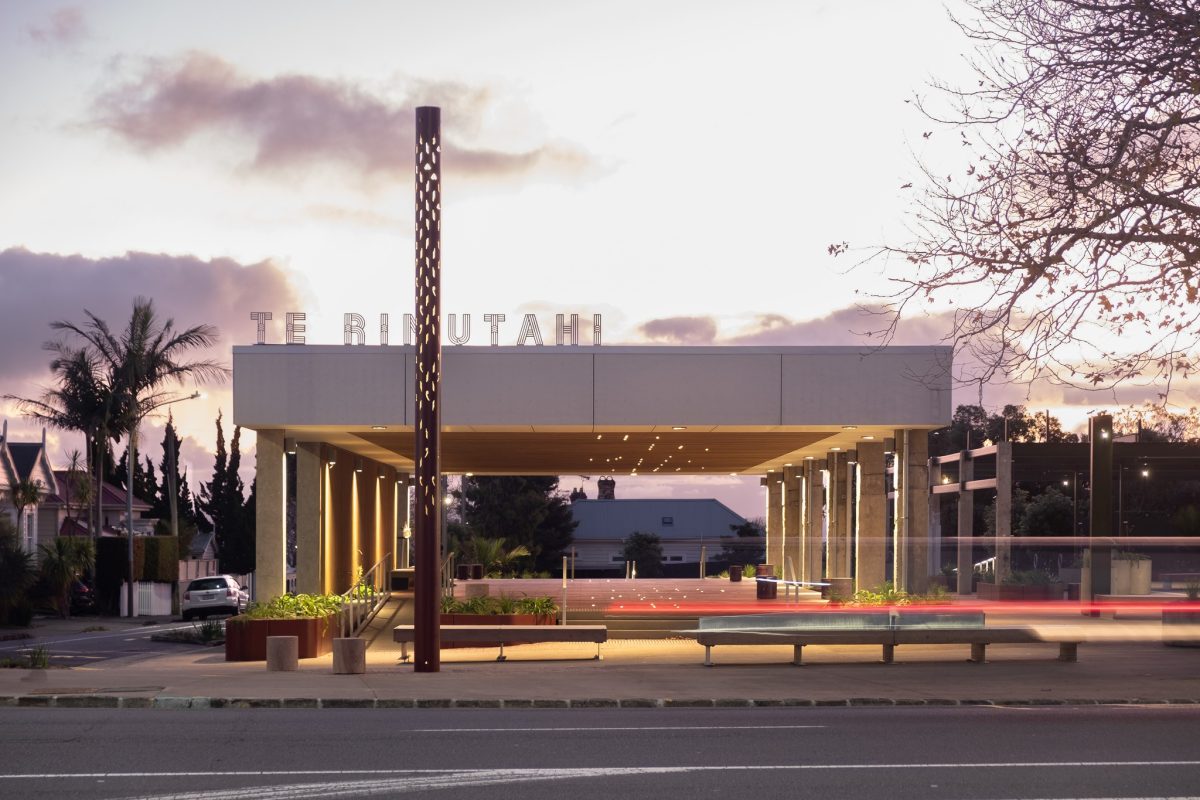
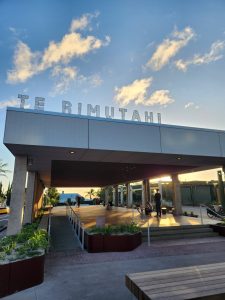
Te Rimutahi Ponsonby’s new civic space opened last month. It is a wonderful thing to witness the successful completion of a project that has been over 25 years in the making especially as there were many moments when it didn’t look like it would get there.
The project goes back to a Boffa Miskell Ponsonby Open Space Study in 2000 that led to the purchase of 254 Ponsonby Road in 2006 with funding from the Western Bays Community Board. There are many parents who nurtured Te Rimutahi along the way.
My part was initiating the community-led development process a decade ago. This came about after the Waitematā Local Board consulted on the Ponsonby Road Plan including three options for the site. When the feedback was reported to the local board council staff refused to provide an recommendation on the way forward because it wasn’t a funded project. This left us a bit stuck especially as a petition was presented to the local board with over 1200 signatures calling for a ‘whole of site option’ rather than the sale of the rear portion to fund the project as envisaged when the site was purposed.
I pitched to Chair Shale Chambers the idea to using a community- led development process to achieve community support for the best outcome for the site. Fortunately Shale took a leap of faith and in May 2015 the City Vision-led Local Board committed funding to a community partnership approach.
At Auckland Council we have been talking a lot about community-led development and empowered communities over the last 4 years . We’ve been introduced to the concepts through excellent visiting speakers such as Milenko Matanovic and Jim Diers. We have a community-led development champions group convened by Roger Blakely, Chief Planner of which I am a member. We have many community groups participating in shaping local services and placemaking but we don’t have many positive examples of Council putting community-led development into practice.
I am therefore really thrilled about the approach the Board has decided to take in response to the feedback on the development of 254 Ponsonby Road.

What followed once a community-led design group was established is covered here in the history of Te Rimutahi. I was really relieved when the group’s design brief led to the LandLAB Park+ concept for the civic open space being chosen by the community and endorsed by the Local Board in 2017. It then took sustained advocacy to secure the funding and see the project through to completion 8 years later.
The opening of Te Rimutahi, a name gifted by Ngāti Whātua Ōrākei, on 18 May 2025 was a fantastic community celebration of probably Aotearoa’s biggest project delivered through a community-led design process.
As cities across the world adopt safer speeds, Auckland is alone in abandoning them
Media release
28 May 2025
As cities across the world adopt safer speeds, Auckland is alone in abandoning them
An international road safety expert based in Auckland condemns the city’s move to raise speed limits across over a thousand residential streets, town centres, and major public transport hubs.
“No other city in the world is ignoring the evidence and changing speed limits like this, let alone spending millions of dollars to make streets deliberately more dangerous and less efficient,” says Lennart Nout, director of Mobycon Pacific and international expert on street design. “Auckland Transport’s rush to reverse safe speeds at this scale is unprecedented in a global setting. It goes against not only many of Auckland’s own plans and policies, but against international trends and the huge body of evidence confirming the benefits of reduced speed limits on residential streets.”
Mr Nout joins a growing alliance of leading road safety experts and transport advocates who are calling on Auckland’s Mayor to urgently intervene and halt any further speed limit reversals. This will prevent Auckland Transport wasting millions of dollars on making Auckland’s streets less safe, less healthy, and less efficient. In addition over 400 people have signed an open letter to the Minister and Auckland Transport to let Aucklanders keep safe speeds.
Speaking on behalf of the group, Pippa Coom, All Aboard Aotearoa adviser and former Auckland Councillor, says “Auckland’s leaders have a responsibility to urgently call a halt on the speed raises. This will allow time for a full assessment of the safety implications and impact on communities, and will give Auckland Transport the opportunity to apply the safer NZTA-approved approach used by other cities to keep their people safe.”

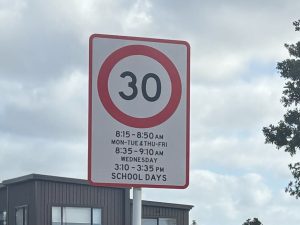
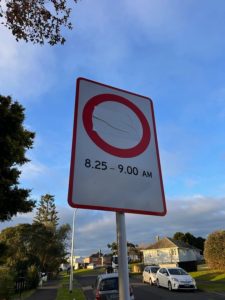
“For months, we have been alerting AT’s Board and CEO to multiple red flags that show their approach to the Speed Rule makes no sense. With incoherent and incomprehensible signage now appearing on our streets, everyone can see an urgent halt is needed before it is too late. Only today a sign has been installed upside down amid a mix of contradictory speed limits around a school in the suburb of Pt Chevalier.”
“There is no doubt that AT’s actions will lead to increased road trauma, as the safer speeds currently being removed were forecast to avoid 564 Deaths and Serious Injuries (DSI) over 10 years. Other cities have found a pragmatic and sensible approach to the Speed Rule – what’s Auckland Transport’s excuse?” says Ms Coom.
“By rushing through reversions to higher speeds in our neighbourhoods, around our schools, transport hubs and town centres, AT’s leadership and their traffic engineers are directly contravening their statutory responsibilities and ethical duty to maintain a safe transport network and to reduce risks,” says Greater Auckland’s Connor Sharp. “Instead, AT is creating a Kafkaesque road safety nightmare.”
“Moreover, this is very publicly sabotaging major new investment in City Rail Link, public transport and cycling infrastructure, by raising speeds in large swathes of Meadowbank, Maungawhau, Pt Chevalier, Avondale, Homai, Te Atatū South and elsewhere [as covered in detail here by Greater Auckland]. This will produce worse urban environments with deadly consequences,” says Mr Sharp.
Mr Nout notes that Auckland is completely alone in its policy of raising speed limits. “No other city in the world is actively working on making vehicle traffic go faster, specifically targeting residential streets. Quite the opposite: cities around the world, like Paris, London and Toronto are choosing to calm traffic, not just to reduce injuries and deaths, but to create healthier, more pleasant neighbourhoods. These cities are finding that there are no downsides to reducing the speed limit. Traffic flows just as well, quality of life improves and more people choose to walk and ride. In London for example, on the streets in areas where the speed limit was reduced, the number of deaths and serious injuries dropped by a staggering 34%. That makes these measures extremely cost-effective.”
“The current trajectory is not just dangerous, it’s internationally embarrassing. A swift and sensible solution is needed before our city becomes a global laughing stock,” says Ms Coom. “Those who are responsible for Auckland’s roads must step away from this sorry path, which will harm people who live here and people who visit here. We call on the Mayor, AT and the Minister to take immediate restorative action to keep our streets safe and welcoming for all.”
ENDS
The Great North Road upgrade project is underway after a 10 year saga
First published in The Spinoff (NOTE: this is the Spinoff’s heading and the image used by the Spinoff is of the community-led vision commissioned by the Grey Lynn Residents Association and not the final design which is available on the AT website.)
The Great North Road upgrade is a triumph for AT – whether the mayor likes it or not
A small stretch of road has come to define the struggle for control between Wayne Brown and Auckland Transport. With work on the upgrade project finally under way, former councillor Pippa Coom looks back at the contentious 10-year saga.
A roadside karakia blessing last Monday marked the official start of the long-delayed Great North Road improvement project . For many of us assembled at dawn, the overwhelming emotion was relief that the wrangling was finally over. After years of delay, Aucklanders are getting an exemplary design that delivers multiple upgrades for the price of one. Even better, it tackles head-on the various grumbles floating around regarding transport in Auckland, by leveraging existing budgets to get bang for AT’s buck while delivering a project which is what the community actually wants.
And yet, the mayor wasn’t there at the photo op to wish Great North Road well. Why not? To explain that, we need to zoom out. The mayor ended 2024 on a high note by delivering on his campaign promise of “Auckland taking back control”. Transport minister Simeon Brown confirmed legislative support for ending the statutory independence of AT, and councillors have unanimously backed the mayor to start the structural changes needed to regain control of this council-controlled organisation.
The Great North Road upgrade has long been one of the mayor’s favourite punching bags, Last year he said it was an example of AT’s stubborn refusal to listen to reason on the vexed issue of raised crossings; in 2023, he called the road’s cycleway “the worst waste of money I have ever seen”.
He got it wrong. In fact, the Great North Road upgrade shows AT at its best, responding to community needs and interests while cleverly leveraging a tight budget and planning for a more resilient future – exactly as directed by council. At the same time, the project has been beset by shameful delays due to political meddling and the undue influence of a handful of vocal opponents.
It’s taken 10 years for this project to even make it to the starting line. In 2015, prime minister John Key’s Urban Cycleway Programme funded a redesign of Great North Road as part of a package of Inner West improvements. Work was finally set to commence in late 2022, when the mayor and councillor Mike Lee (backed by Communities & Residents, aka C&R) attempted to bypass lawful council processes. Against the wishes of the community, they directed AT to halt the projects.
Their last-ditch opposition ran roughshod over a decade of planning and repeated supportive public consultations. The mayor appears to have formed his position based on the feedback of cycleway “saboteurs”, along with his preference for riding on the footpath when he doesn’t feel safe on the road.
He’s not wrong to worry about safety. In early 2023, shortly after the mayor was photographed cycling on the footpath past St Joseph’s School on Great North Road, an errant driver crashed into the bus shelter, taking out a section of school fence and two nearby trees.
Everyone who travels this stretch of road deserves to arrive in one piece. So, while it was a relief to attend the dawn karakia marking the start of the improvements at last, it was a shame the mayor didn’t make it, nor the local ward councillor and C&R reps.

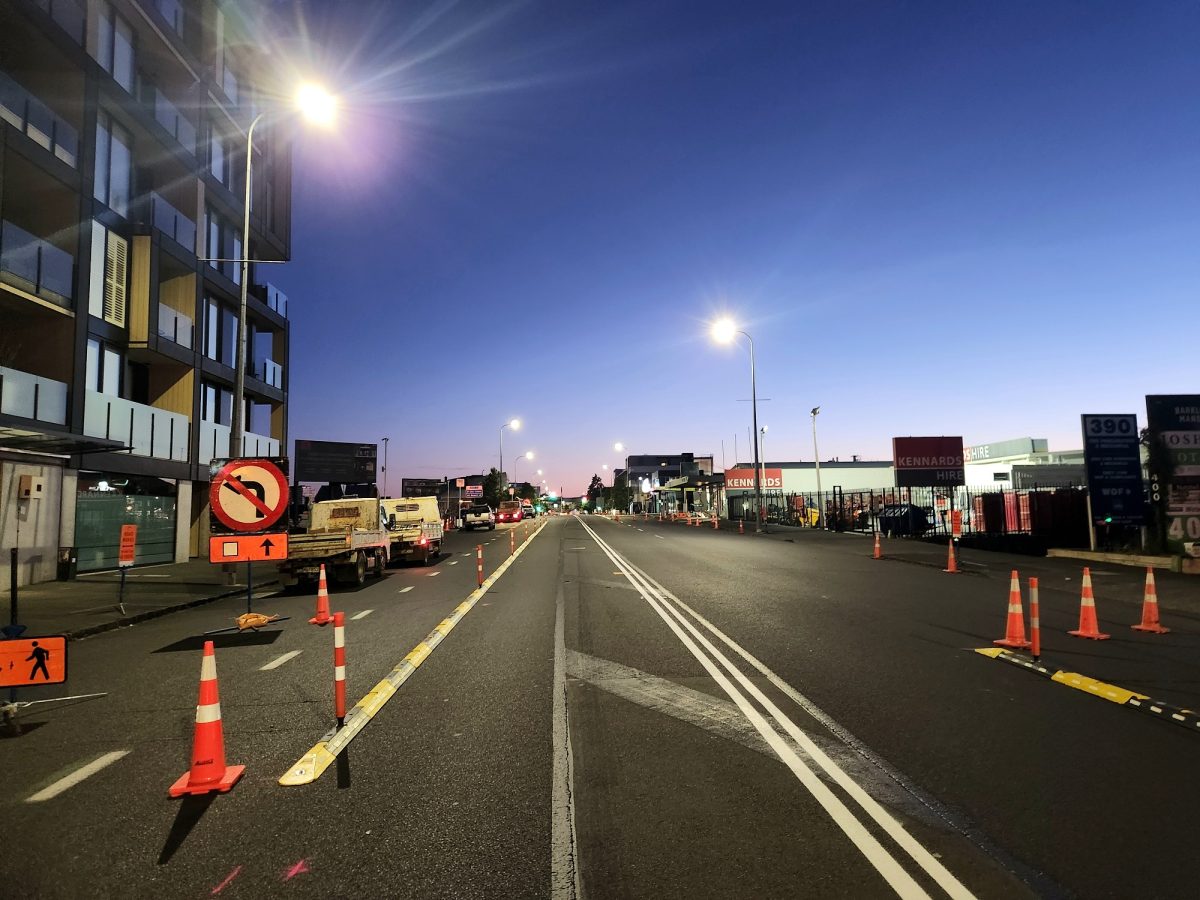
Had the mayor been there, he might finally have been convinced to stop beating AT up about this long-awaited project and others like it. The Great North Road upgrade represents great value for money, using a “dig once” approach to leverage the regular maintenance budget. Century-old water pipes have already been replaced as part of the enabling work. Next comes the repair of the crumbling road surface (sections of which are old enough to vote), during which AT’s contractor will take the opportunity to install dynamic bus lanes and add 200 trees.
In an ideal world, transport planning and street design help guide how the surrounding land is developed, who lives there, and how they get around. Unfortunately, this project is playing very belated catch-up – finally creating a smart and efficient boulevard fit for the thousands of people who live on the ridge, and the many more set to join them.
Once the project is completed, the transporter trucks that serve Great North Road’s remaining car yards will finally be able to operate legally, taking advantage of new loading zones rather than parking across bus stops or on the flush median. Children at local schools will gain safer crossings, and dedicated bike lanes will enable more to bike-commute from the Inner West. Everyone, including drivers, will benefit from better street design, with raised tables across side streets boosting visibility and accessibility for all.
It shouldn’t have been so hard to get to this point, given the strong community support. Over 50 organisations, including the Grey Lynn Residents’ Association, three local business associations, seven local schools, and other groups, have begged AT to get on with it – with delegations from the schools pleading the case again and again.
Having made their needs and interests crystal clear, all these Aucklanders deserved enthusiastic political backing that directed AT towards fuss-free delivery. Instead, the Grey Lynn community faced years of exhausting campaigning to keep the project alive – through deliberations by the local board, council, the AT board, and repeated attempts by the mayor to defund the project right up to the 11th hour.
In this context, AT’s board and its CEO Dean Kimpton deserve congratulations for delivering the promised project, and for not allowing political interference to override expert design and community will. They should be applauded for their tenacity. The mayor and the ward councillor should have been at the dawn blessing, with smiles and handshakes all round.
As the AT reforms roll out and Auckland gears up for the local government election this year, let’s keep the saga of Great North Road in mind. More direct political accountability and more local decision-making sounds great. But being “back in local control” of transport must lead to confident, timely delivery of real wins for all Aucklanders – not a hollowed-out organisation that succumbs to the ideological whims and dictates of the mayor and minister of the day
Submission in opposition to the Principles of the Treaty of Waitangi Bill 2024
UPDATED AND SENT 4 JANUARY 2025
Submissions can be made on the Bill until 11.59pm on 7 January 2025.
My submission on the Principles of the Treaty of Waitangi Bill 2024
Introduction
I have read the Principles of the Treaty of Waitangi Bill 2024 (the Bill). I oppose the Bill.
The Bill has been promoted as an opportunity to have a “national conversation” on the place of the principles in our constitutional arrangements. I agree that public debate is needed and a shared understanding of why The Treaty of Waitangi/ Te Tiriti is a significant foundational document of Aotearoa New Zealand. That debate must start with and be informed by Te Tiriti. It needs to be a debate based on good faith, with accurate information and undertaken with the full involvement of Māori.
The Bill’s principles as drafted bear no resemblance to Te Tiriti and is an attempt to rewrite the Treaty articles. The promoters of the Bill have deliberately skewered the debate. Te Tiriti is not a threat to the basic rights enjoyed by all New Zealanders. Equality is already safeguarded in New Zealand law, including through the New Zealand Bill of Rights Act 1990. The Bill of Rights makes clear in s 19(2) that sometimes people need to be treated differently in order to achieve equality.
All New Zealanders benefit from Te Tiriti as it provides a place for everyone to belong, allows for respectful relationships to flourish and ensures a strong and just foundation for lasting decision making.
My Background
I am making this submission in my personal capacity. I immigrated to Aotearoa from the UK with my family at the age of 14. I consider myself to be Tangata Tiriti. I’m fortunate to have had the opportunity to study The Treaty of Waitangi/Te Tiriti o Waitangi first at Auckland Girls’ Grammar School in history classes and then as part of my law degree from the University of Otago. As a solicitor at the Ministry of Fisheries (now part of MPI) I was responsible for delivering staff “Treaty Training” led by the late Sir Wira Gardiner. I attended Waitangi Day celebrations at Waitangi in 2018 for the first time. I would recommend this amazing experience of kotahitanga to all New Zealanders.
I have found that non-Māori often lack basic knowledge about Aotearoa New Zealand’s history and are not familiar with the articles or principles of the Treaty or how it came to be signed. Promoters of the Bill are exploiting this information gap to stir up baseless anxiety and fear about the status of Te Tiriti and a distorted view of the benefits and rights provided by Te Tiriti.
There is also a lack of understanding regarding the harm caused since 1840 as a result of the Crown breaching Te Tiriti and the huge loss that has been suffered by Māori, including land confiscation, disruption of their social structures, and erosion of their culture.
I took part in the Hīkoi mō te Tiriti in Tāmaki Makarau because I am deeply concerned with the lasting damage the Bill will cause and the escalating attacks on Te Tiriti and the undermining of indigenous rights. I saw this in action first hand as co-chair of the Hauraki Gulf Forum (2020-2022) when individuals associated with Hobson Pledge and Democracy Now mounted a misinformation campaign via an astro-turf group (Gulf Users Group) set up by Franks Oglivie. This group made baseless and harmful claims that the Forum’s co-governance advocacy would result in a loss of rights to access the Gulf. Supporters and funders of the Treaty Principles Bill are using many of the same tactics to create fear and division in the name of “equality”.
As I have experienced as a former Auckland Councillor, Te Tiriti relationships are in fact a source of strength and lasting decision making that requires the parties to keep working together with respect and in good faith.
Reasons to oppose the Bill
There are many reasons to condemn and reject the Bill. It has followed a fundamentally flawed process and seeks to negatively undermine in the most damaging way our constitutional document. It is being promoted as providing “equality” when in fact Te Tiriti is not a threat to the basic rights enjoyed by all New Zealanders. The Bill will create uncertainty, result in unnecessary cost and undermine social cohesion. The Bill has multiple substantive problems that have been well canvassed by a wide range of experts.
In summary I strongly oppose the Bill for the following reasons:
- The Treaty of Waitangi/Te Tiriti o Waitangi is a binding agreement between the Crown and Māori which is fundamental to New Zealand’s constitutional arrangements.
- It is undermining to NZ’s democracy for a government to unilaterally alter a binding agreement especially without the agreement of Māori as the Treaty partner. The approach that has been taken to the Bill offends against justice, and is deliberately inflammatory. As Dame Jenny Shipley has said this is irresponsible politics, and extremely divisive.
- The existing “Treaty Principles” have been developed and applied by the Courts over the past 50 years in particular the principle of partnership.
- By progressing the Bill the Crown is breaching the Treaty Principles of partnership and reciprocity, active protection, good government, equity, redress, and the Article 2 guarantee of rangatiratanga.
- The Bill has come about through an incredibly poor process. It has been drafted without any consultation with the original parties to the agreement. That’s fundamentally unjust, as 42 King’s Counsel have warned.
- The Bill does not reflect any credible interpretation of the Treaty of Waitangi, Te Tiriti o Waitangi, or the principles based on either text.
- The new Treaty Principles are purported to reflect the three Articles of Te Tiriti but do not do that at all. By imposing a contested definition of the three articles, the Bill seeks to rewrite the Treaty itself.
- The Bill’s undermining of Article 2, which affirms the continuing exercise of tino rangatiratanga is particularly concerning. An interpretation of Article 2 that does not recognise the collective rights held by iwi and hapū, or the distinct status of Māori as the indigenous people of Aotearoa New Zealand, calls into question the very purpose of the Treaty and its status in our constitutional arrangements.
- The Bill is divisive and harmful. It will reduce the constitutional status of the Treaty/Te Tiriti, remove its effect in law as currently recognised in Treaty clauses, limit Māori rights and Crown obligations, hinder Māori access to justice, impact Treaty settlements, and undermine social cohesion in Aotearoa, New Zealand.
- The Bill will remove controls on privatisation and environmental degradation.
- In addition, rather than providing certainty and clarity as claimed the Bill will result in protracted litigation and cost.
I agree with the Treaty Principles Regulatory Impact Statement recommendation to stay with the status quo – the courts and the Waitangi Tribunal should continue to articulate the meaning of the Treaty principles in line with existing practice.
In drafting my submission I referred to many resources in particular the letter from 42 Kings Counsel expressing grave concerns about the Bill and outlining why it should be abandoned.
Conclusion
There is no place for the Bill in our constitutional arrangements and it should be firmly opposed. The Government should instead take steps to urgently repair Māori–Crown relationship and strengthen Te Tiriti for the benefit of all.
To safeguard Te Tiriti o Waitangi, the select committee must condemn and reject this indefensible Bill.
I wish to speak to my submission.
Further resources I have found useful in making my submission
Amnesty International submission guide
Dame Anne Salmond writing for Newsroom
Submission of Barrister Max Harris
The real reason behind Act’s push to redefine the Treaty principles, Rupert O’Brien in The Spinoff
Ngā mihi nui Thank you
A huge thank you to everyone who stood up in all the various ways to support the More for You, Better for Auckland campaign. Unfortunately we were not successful.
Our positive and energising volunteer-led campaign came together in an super short timeframe. We went into it knowing this is an incredibly difficult election to contest as the incumbents control the election rules. However, we felt the energy threats and opportunities are too great not to have contested the election for NZ’s largest energy consumer trust after 3 decades of C&R control.
The result is not unexpected but still a shock that voter turnout fell to just 9.36% (down from 9.64% in 2021). Unfortunately the hurdles to democracy are just too great in NZ’s most undemocratic election. (our final campaign media release)
With more future-focused strategic leadership of Vector, Aucklanders could continue to enjoy the annual dividend plus solar-powered resilient community hubs, cheaper power, and reduced levels of energy poverty. Above all, Aucklanders deserve an Entrust that runs transparent and fair elections, and that is accountable to the community. We are now considering the options for next steps.
Thank you everyone who gave us their support and took the time to vote – we know it is not easy!
We are really heartened to have gathered so much support across a wide network and to have shone a light on what’s possible for Tāmaki Makaurau.
It’s now in C&R’s hands to run an election that makes this a fair and honest contest of ideas.
Hurdles to democracy too great in NZ’s most undemocratic election
More for you, Better for Auckland Media release: 30 October 2024
Following a record low turnout of 9.39% of eligible voters, the leadership of Entrust, New Zealand’s largest community energy trust, will once again remain unchanged. This confirms the incumbents repeatedly choose to run the elections to benefit themselves, not Aucklanders, say challengers from the independent More for You, Better for Auckland ticket.
This was, once again, a short postal election, minimally advertised, and characterised by multiple barriers to voting and a lack of coverage of the critical election issues.
“We knew challenging National party backed C&R for the Entrust leadership would be difficult, given the low turnout and the timing of the Entrust dividend payout just before the election started. However, the hurdles to democracy were just too great – and the extent to which C&R control the election process to their advantage was even more shocking than we’d imagined,” says Patrick Reynolds, spokesperson for the independent progressive group who came together to challenge C&R’s three-decade grip on Entrust.
The result is not unexpected but should alarm everyone who cares about democracy, the cost of power, and the energy independence and resilience of our largest city. We will, therefore, be considering what legal and legislative options are available to modernise the election” said Mr Reynolds
Voter turnout this year fell to just 9.39%, even lower than the previous record low turnout of 9.64% in 2021. C&R has known for many decades that the voting system they run is not fit for purpose. And yet, they have taken no steps to update the 1993 Entrust Trust Deed, ensuring they continue to “win” New Zealand’s least democratic election.
Entrust is the only community energy trust using a postal vote for its triennial election of trustees. It’s also the only one that pays a dividend just before voting gets underway. Moreover:
-
C&R allocates zero budget to promote or advertise the Entrust Election.
-
C&R provides no visible information about the Election on the Entrust website – only a link that is hidden behind a screen-sized advertisement for the Entrust dividend.
-
C&R allocates over $1.3m to distributing and advertising this dividend, just before voting starts – and only advertise their candidacy in the context of the dividend.
-
C&R has maintained a 16-day postal voting period, despite shrinking postal services – resulting in voting papers not arriving until up to 6 days after voting started.
-
C&R held the 2024 Entrust AGM 2 hours after the cut-off for posting votes, ensuring the electorate was not fully informed about a number of serious issues that were raised at Entrust’s only public meeting.
The one “innovation” C&R introduced this year was “rubbish bin” ballot boxes, made available at 10 Woolworth supermarkets for the entire Entrust District. As candidate Paul Young said as voting got underway “When I was first sent a photo of the ballot box in a Woolworth supermarket, I thought it must be a joke to use an orange rubbish bin. The Aucklanders I am speaking to are very surprised that Entrust would be so disrespectful to democracy. This is yet another disincentive to vote, if the ballot box doesn’t look like an official drop-off point for important voting documents.
“They are also hard to find, as there are only 10 ballot boxes for the whole of the Entrust district – and no Entrust map of the locations.”
Despite the many hurdles to participating in the Entrust election, including the cost of campaigning across such a large area with 323,000 voters, More for You, Better for Auckland was determined to offer Aucklanders a positive alternative with fresh leadership.
“I’m really proud of More for You, Better for Auckland’s campaign,” says Patrick Reynolds. “Within a very short timeframe, we brought together a strong line-up of candidates. We presented voters with future-focused and expert-backed policies that respond to all the energy threats and opportunities of our age. The response to our volunteer-led campaign was positive and energising.”
“You have to ask: how pathetic would the turnout have been, had we not publicised the election and the issues?
“With more future-focused strategic leadership of Vector, as envisioned by More for You, Better for Auckland, Aucklanders could continue to enjoy the annual dividend plus solar-powered resilient community hubs, cheaper power, and reduced levels of energy poverty. Above all, Aucklanders deserve an Entrust that runs transparent and fair elections, and that is accountable to the community.”
A huge thank you to everyone who stood up in all the various ways to support the More for You, Better for Auckland campaign. We are really heartened to have gathered so much support across a wide network and to have shone a light on what’s possible for Tāmaki Makaurau. It’s now in C&R’s hands to run an election that makes this a fair and honest contest of ideas.
Electric Waiheke: Vote in the Entrust election for cheaper, cleaner and more resilient power
A feature for Gulf News on the Electric Waiheke! event held at the WRT Sustainability Centre on 10 October
The demand for community generated electricity came through strongly at an Electric Waiheke public meeting last week at the Sustainability Centre, hosted by More for You, Better for Auckland on the first day of voting for the leadership of New Zealand’s largest community energy asset owner, Entrust.
Guest speaker Dr David Hall, Rewiring Aotearoa’s co-founder gave a compelling presentation based on Rewiring Aotearoa’s research into the multitude of benefits for communities from investing in roof top solar and batteries.
“The cost of solar systems have come down so far in price – and increasingly batteries too – that it makes economic sense to invest in rooftop systems to provide security of supply and guaranteed lower power bills. Our research shows that, as a national average, households can expect an average saving of $4,500 p/a (based on low cost finance now available or $1,500 if finance is at today’s standard interest rates) says Dr David Hall. “Electrifying homes and private vehicles in communities like Waiheke and all of Aotearoa we estimate will result in $10bn cost savings by 2040, lower emissions, massive efficiency gains in addition to improved well-being for households and whānau”
More for You, Better for Auckland, the independent team running in the election for the 5 Trustees of Entrust, plan to work with Vector to accelerate the rollout of solar and batteries across the city to unlock a low-cost source of power and deliver resilience for communities like Waiheke.
“Islands, like Waiheke are the perfect place to develop community electricity resources, solar and battery hubs, because upgrading the grid there is very expensive for the number of residents, so the economics are even more favourable. An island is ideal for building community structures and systems with new cheaper distributed technologies. An excellent example of the kind of change Entrust needs to be leading but currently isn’t.” says Patrick Reynolds, spokesperson for More for You, Better for Auckland.
Entrust should be supporting the development of a local community group to work through the options, discover their issues like continuity of supply, direct Vector to provide technical advice, and commission external expertise. It is likely there are way better and more cost effective options than simply continuing to expensively super-size the network and doubling down on keeping the island dependent on the national grid with a massive new undersea cable.
Furthermore Waiheke, is a microcosm of Aotearoa New Zealand, which is a similarly isolated system, working through all the issues for the island of distributed networks with an engaged community, provides for mutual benefit.
Waiheke experiences frequent power outages relying on one cable from the mainland to deliver energy to 5,900 households on the island. Jason Bryant who attended the meeting recorded 16 power cuts in the last year. “Our community of Orapiu at the far end of the island has just over 100 dwellings. A community grid would give Orapiu grid stability, and be cheaper for Vector to put in place than rewire the area and bring in a new cable from Onetangi. With close to 10% of houses already with rooftop solar, and many having storage capacity, it would make sense to offer the residents low cost energy certainty and resilience”. says Mr Bryant
Lindsay Jeffs, from Carbon Neutral Waiheke, facilitated the meeting. “If 1000 properties on Waiheke installed rooftop solar Waiheke would produce enough electricity to meet all its energy and light transport needs. To achieve this by 2030 requires Vector, a community owned energy trust, to fully embrace and support this achievable sustainable and cost saving goal. We as a community can do this and be leaders in the field.” summed up Mr Jeffs to the meeting.
After 30 years of National party aligned C&R controlling Entrust, this election offers the chance to vote for new leadership to bring focus on affordable, resilient and future-focused electricity system
“The C&R ticket that has controlled Entrust for three decades has resisted innovation and under-invested while overseeing rising energy bills and a dividend that is declining in real terms. In short, the incumbent leadership has dropped the ball, and it is time for visionary leadership.” says Mr Reynolds
More for You, Better for Auckland plans for a widespread rollout of rooftop solar will unlock a low-cost source of power that will boost competition and resilience. “The Australians have figured this out; 35 percent of their rooftops have solar panels,” says Reynolds. “In Auckland, it’s just two percent. If we followed their example and adopted solar panels and batteries at scale we would tap into a source of cheap, renewable power at zero transmission costs.” We’re exciting about what is possible with Entrust working directly for communities like Waiheke.
Former Waitematā & Gulf ward Councillor Pippa Coom is one of the 5 More for You, Better for Auckland candidates. She asked the meeting to help raise awareness about the opportunity to vote. “The incumbents on Entrust control the rules of the election because it is not subject to the Electoral Act. Despite turnout falling to an all time low of 9.6% in 2021 they have failed to modernise the election or extend the short two week postal voting period. C&R Trustees benefit from an expensive Entrust dividend advertising campaign just before voting starts but ensure Entrust has no budget towards promoting the election.
“We therefore felt it was extra important to host the Electric Waiheke public meeting to raise awareness of the Entrust election. I’m delighted that on the first day of voting we were able to bring Dr David Hall over to Waiheke for such a well attended meeting at the Sustainability Centre” said Pippa
The Entrust elections are held by postal vote. More for You, Better for Auckland recommends posting voting papers in the self-addressed envelop by Monday, 21 October to arrive on time. Alternatively, you can drop your ballot in the orange ballot bins at 10 Woolworths supermarkets across the city including the Woolworths in Ostend right up until 5pm on election day, Friday 25 October.